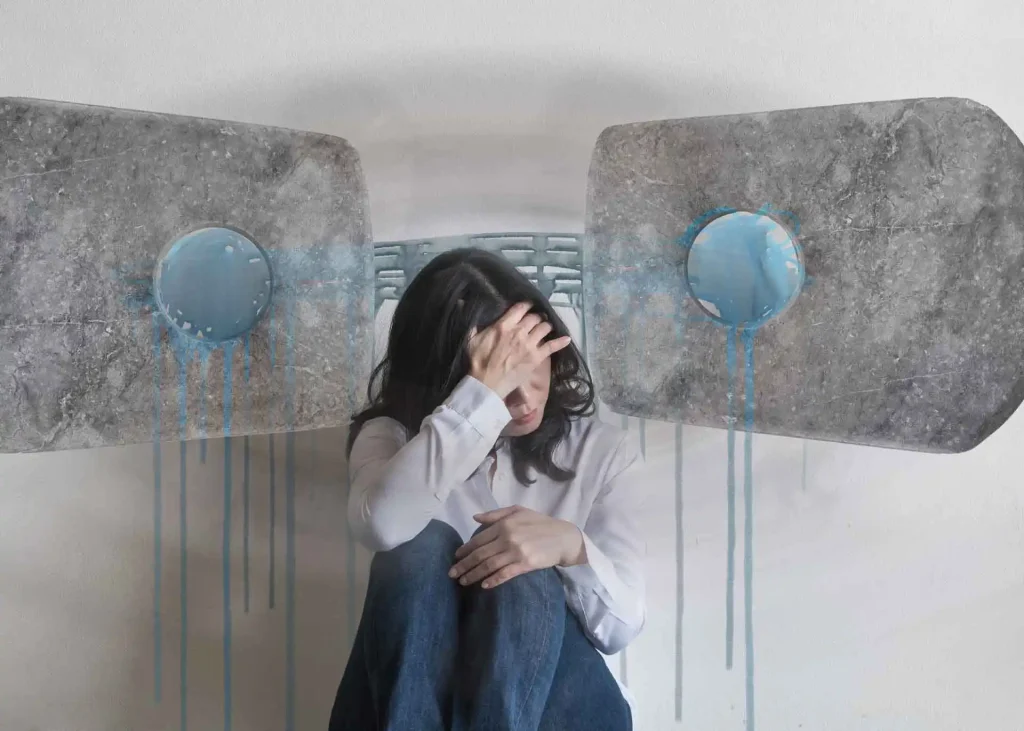
Quick summary: If someone has been through a frightening or overwhelming event, it can alter how they record or recall details. That is how trauma and memory work strangely together, with some details staying sharp while others blur or vanish.
Key Takeaways:
- A traumatic event gets stored differently than any other ordinary event.
- Many can recall the traumatic experience in vivid detail, while others can’t recall it at all.
- Memories can come back without warning; they can be triggered by sights, sounds, or smells.
- Trauma can make it harder for many to concentrate or hold onto everyday information normally.
- Two people can experience the same event but process it or remember it differently.
- Therapy offers you a safe space to work through difficult memories at your own pace.
How Does Trauma Affect Memory?
When a frightening event happens, the brain switches into survival mode. It focuses on one thing: keeping you safe. In that moment, keeping a tidy record of events takes a backseat. Stress hormones like adrenaline and cortisol flood the body and change how the brain takes in information. The amygdala, which handles fear, goes into overdrive. The hippocampus, which usually puts memories in order, gets thrown off.
Therefore, a traumatic event doesn’t feel like a normal one. You might keep one intense image in perfect focus and lose everything around it. The order of events gets jumbled. Some people can’t shake the memory no matter what they do, and others find chunks of it missing. Both reactions come from the same survival instincts. If you recognize either one in yourself, seek trauma therapy in Chicago.
Why Can Traumatic Memories Feel Fragmented?
During a traumatic event, the brain doesn’t always record things in a sequence or as a connected story. Under heavy stress, the hippocampus struggles to stitch the pieces together in order. People end up with scattered fragments instead of one continuous memory. These fragments can be a sound, a flash of color, a physical sensation, or a few seconds of what someone said.
The fragments can feel cut off from each other and from any sense of time. You might recall exactly how the air smelled and have no idea how long the whole thing lasted. Or you remember the ending clearly while the beginning stays blank. The brain tracks the threat in front of you, so it holds onto the sensory details tied to danger and lets the ordinary ones slip.
Why Do Some Memories Return Unexpectedly?
Traumatic memories can surface on their own, sometimes even years later, often at moments you never chose. That happens because the brain links certain cues to the original danger, and those cues can pull the memory back without warning.
Everyday Reminders and Emotional Reactions
A smell, a song, a tone of voice, or a particular place: any of them can bring a memory rushing back before you can brace for it. These triggers are usually ordinary things that happened to be present during the event. Your brain files them as danger signals. If you see or experience one again, a wave of fear or sadness can hit before you understand where it came from.
Intrusive Memories and Flashbacks
Sometimes a memory comes back with so much force that it feels like the event is happening again. That’s a flashback. You may see images and feel physical sensations from the trauma as if they’re real and happening right now. Your heart races, your breathing changes, and the room seems to fade. Intrusive memories are milder versions of the same thing. They push into your thoughts while you’re trying to focus on something else, and they’re hard to switch off once they start. This is your brain flagging danger it hasn’t resolved yet. They’re distressing, but they ease with the right support.
Can Trauma Affect Everyday Memory and Concentration?
Yes. Trauma reaches well past the memory of the event itself. It can make ordinary, day-to-day remembering harder. When your mind pours energy into staying alert or managing distress, less of it is left for routine tasks. You forget an appointment you made that morning. You lose your train of thought mid-sentence. You go blank on something you read a minute ago.
| Difficulty | Possible contributing factors |
| Forgetting appointments or plans | Mental energy taken up by stress and hypervigilance |
| Losing focus mid-task | Intrusive thoughts pulling attention away |
| Trouble learning new information | Poor sleep and ongoing anxiety affecting the brain |
| Feeling foggy or blank | Emotional exhaustion from carrying the trauma |
These problems are frustrating, and they make people worry something is deeply wrong with their mind. Usually, it traces back to a brain under strain. As the trauma is addressed and stress eases, concentration and everyday memory tend to return.
Does Everyone Remember Traumatic Experiences Differently?
Two people can live through the same event and emerge with completely different memories. One recalls it in sharp detail. Another remembers almost nothing. A third holds a few fragments with a blur in between. This is normal.
Many factors play a role: your age when it happened, how safe you felt afterward, what you’d already been through, and how your brain reacted in the moment. There’s no correct way to remember trauma. Your memory is as valid as anyone else’s, even when it looks nothing like theirs. What counts is how the memory affects you now, and what kind of support helps you live with it.
What If You Cannot Remember Parts of a Traumatic Experience?
Many people find they can’t recall parts of a traumatic event. Sometimes they can’t recall any of it. That can be unsettling. You sense a gap where something important should be, and you lie awake wondering what it means about you. Missing memories are a recognized response to trauma, and they say nothing about your character or your strength.
When an event is too overwhelming to process, the brain can limit what it stores or how easily you can access what’s there. That restriction often works as protection. It holds the most painful material at arm’s length while you find your footing. Some memories stay out of reach for years. Others drift back slowly, in pieces. You don’t need to force every gap to fill before you can heal, and a good therapist will help you approach what’s there safely, without pressuring you to dredge up every detail.
How Can Psychotherapy Help You Explore Difficult Memories
Therapy gives you a steady, safe place to turn to when you face hard memories, so you don’t have to do it alone. A trained therapist works at the pace you set, so you’re never pushed into painful material before you’re ready. Over time, that careful approach takes the raw edge off memories that once felt too much to revisit.
A few different approaches help. Some focus on how a memory is stored and processed, helping it settle so it troubles you less. Others work on the strong feelings and physical reactions that surge up along the way. Talking things through can also help you make sense of a memory that felt confusing or scattered. This doesn’t erase what happened, but helps you carry it with less pain, so it keeps a smaller hold on your daily life.
When Should You Consider Seeking Support for Trauma
There’s no threshold you have to cross before your experience counts as worth helping. If memories, flashbacks, or trouble concentrating are getting in the way of how you want to live, that’s reason enough to reach out. The same goes if you feel on edge most of the day, avoid places or people that remind you of the event, or feel numb and cut off from those around you.
You don’t have to wait until everything feels unbearable. Early support can make a real difference, and there’s nothing to gain by holding out until things get worse. A good therapist can help you understand what you’re living through and find a way forward that fits your life.
Conclusion
Trauma changes how the brain records and recalls events, and that’s the heart of why traumatic memories feel so unlike ordinary ones. Some come back vivid and overwhelming, some are fragmented, and some are out of reach altogether. Each response comes from your brain doing its best to protect you under enormous stress. With time and the right support, difficult memories loosen their grip. The memory strength and focus that trauma wore down can come back. If any of this feels familiar, you don’t have to work through it on your own.
Frequently Asked Questions
Can trauma cause memory loss?
Yes. Trauma can make it hard to recall parts of an event, and sometimes it blocks out the whole thing. Under extreme stress, the brain may limit what it stores or how easily you can access it. That restriction can act as protection, holding the most painful material at a safe distance while you cope with everything else. Those missing pieces are a recognized response to trauma.
Why do I remember some traumatic details but not others?
During a traumatic event, the brain focuses on the threat. It captures the sensory details tied to danger, like a sound or a smell, while the ordinary connecting details slip away. That’s why you might hold one moment with razor-sharp clarity and lose the events around it. The memory ends up in fragments instead of a smooth, ordered story.
Can trauma affect concentration?
Yes. When your mind is busy staying alert or managing distress, there’s far less energy left for everyday tasks. You might lose focus halfway through something, forget the plans you made, or find new information hard to process. Ongoing anxiety and poor sleep can make this worse. But with help, stress can settle, and concentration can improve.
Can talking about trauma help me understand my memories?
It often can. Talking things through with a trained therapist can help you make sense of a memory that felt confusing or scattered. You can set the pace, so you don’t feel rushed or pushed before you are ready to open up about it. Over time, putting the experience into words tends to loosen its grip and help you process it more clearly.
Does PTSD affect memory of everyday, non-trauma information?
Yes. PTSD keeps the brain in a heightened state, and that constant alertness takes a toll on everyday recall. People with PTSD often report forgetting appointments, losing their train of thought, or finding it hard to learn new things.
Can traumatic memories and related memory problems improve with treatment?
Yes. With time and the right support, difficult or traumatic memories can lose much of their intensity. The memory and concentration problems ease out too. Therapy helps the brain process what happened, so it keeps a smaller hold on your daily life. Recovery takes time and looks different for everyone, but real improvement is possible.