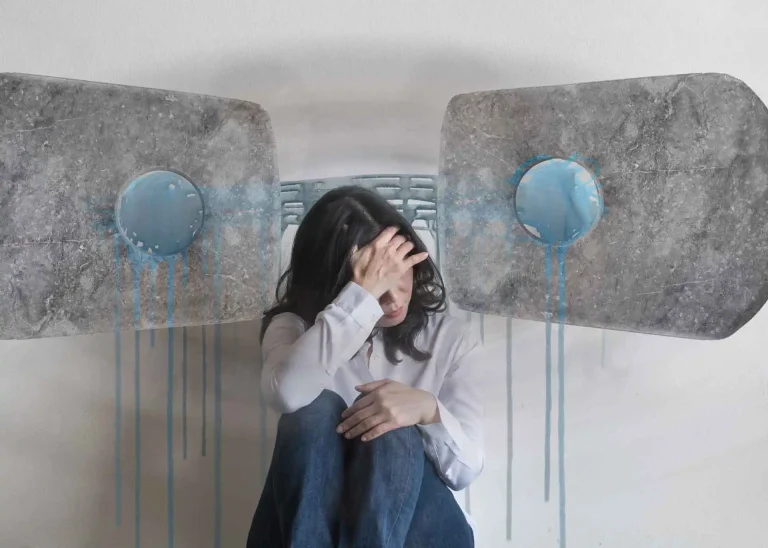
Generational trauma is the passing down of painful experiences through a family, shaping how later generations handle stress, relationships, emotions, and their sense of safety. Pain doesn’t always end with the person who experienced it. Fear, emotional distance, silence, and learned survival behaviors can become part of a family across generations. Professional trauma therapy in Chicago creates a structured, supportive setting for individuals to explore these deeply rooted family experiences and develop healthier ways of coping.
What Is Generational Trauma?
Generational trauma, also known as intergenerational or transgenerational trauma, is the emotional and psychological effects of traumatic experiences that get passed down to later generations, even when they didn’t experience the original event firsthand.
Trauma is a response to events that feel overwhelming, life-threatening, or unsafe. When it goes unresolved, the pain can ripple through a family. These effects often reach children, grandchildren, and later descendants through family behaviors and beliefs, relationship patterns, and stress responses.
However, generational trauma isn’t automatically inherited, nor does it mean every family member in later generations will experience the same effects. These patterns aren’t fixed. Recognizing these patterns can help individuals understand the link between past experiences and current behavior, opening the door to healing through awareness and targeted support.
What Causes Generational Trauma?
Generational trauma develops from deep psychological wounds or unresolved experiences passed down through family lines, and it rarely traces back to a single event. Historical suffering, painful childhood experiences, and family responses to trauma can all contribute to how trauma is carried forward.
Historical and Collective Trauma
Historical and collective trauma refers to the cumulative, multi-generational devastation experienced by specific cultural, racial, or ethnic communities after war, slavery, colonization, genocide, forced displacement, or systemic violence. This trauma can influence later generations through economic hardship, cultural disruption, grief, persistent feelings of threat, and possible inherited biological stress responses.
Family Trauma and Adverse Experiences
Trauma within a family often stems from abuse, neglect, sudden loss, domestic violence, addiction, incarceration, or prolonged instability. Unresolved parental distress usually leads to emotional silence, hypervigilance, or overprotectiveness. When these responses go unchecked, they shape how children perceive safety and relationships and influence how they communicate and interact with others later in life.
Source | Examples |
Historical Trauma | War, slavery, genocide, forced displacement, racism, famine, or colonization |
Family-Level Trauma | Abuse, severe neglect, addiction, sudden loss of a parent, chronic illness, or domestic violence |
Collective Trauma | Severe poverty, community violence, systemic oppression, disasters, persecution, or sudden financial ruin |
These experiences rarely stay with the specific generation that lived through them. They tend to move throughout families in three main ways: modeled behavior, emotional silence, and changes in how the body handles stress.
How Does Generational Trauma Affect Families?
Generational trauma affects families by passing down unresolved emotional issues, unhealthy coping habits, and high levels of stress from one generation to the next. Children closely observe how their parents react to emotional stressors and often learn to respond the same way without understanding the original reason. When painful experiences go unaddressed, they can lead to silence and emotional distance, resulting in relationship struggles, trust issues, unhealthy coping mechanisms, or difficulty regulating emotions.
Unresolved trauma can shape how a family understands trust, conflict, safety, emotions, and responsibility. For example, a parent who survived adversity by staying quiet may avoid emotional conversations, stay on high alert, or even become overprotective. Children who grow up in this environment often internalize these behaviors as normal and learn that expressing distress is uncomfortable or unsafe.
Research also suggests that prolonged stress may influence gene expression (a field of study called epigenetics) and affect the body’s natural stress response systems. As a result, descendants may be more vulnerable to chronic stress, anxiety, depression, and post-traumatic stress disorder (PTSD). Since these effects can build up over time, their signs are easy to overlook.
What Are the Signs of Generational Trauma?
Generational trauma doesn’t look the same for every family member. It can affect how families process stress, experience emotions, and interact with others. When the original painful events are treated as taboo, descendants may carry a heavy burden without even understanding its origins. Recognizing these signs can help people see whether unresolved family and emotional experiences affect their present lives.
Emotional Signs
Emotional silence leaves children without an explanation for certain rules, fears, or reactions, often leading to severe anxiety, low self-esteem, or difficulty regulating complex emotions. As adults, they may struggle with feelings of chronic emptiness, numbness, or a pervasive belief that a disaster can happen at any time. Some feel responsible for keeping everyone around them calm, even when the situation doesn’t require it.
Relationship Signs
Unaddressed generational trauma can heavily disrupt how family members connect and approach closeness and trust, which may lead to either extreme codependency on one end or severe emotional detachment on the other. Some find it extremely difficult to trust, avoid emotional intimacy, or push partners away. Others may tolerate toxic behaviors and stay in unhealthy relationships out of an intense fear of abandonment.
Behavioral and Family-Pattern Signs
These signs may include withdrawing during conflict, constantly anticipating problems, suppressing emotions, following rigid family rules, becoming overly controlling, or struggling with perfectionism. Patterns like neglect, domestic volatility, or substance use can also repeat from one generation to the next. Without structured, therapeutic support or conscious intervention, parents unconsciously pass down these patterns, which can continue to the next generation, creating a continuous cycle of hyper-criticism, emotional neglect, or overprotection.
Category | Possible Signs |
Emotional |
|
Relationships |
|
Behavioral |
|
Family Patterns |
|
Not every pattern on this list stems from generational trauma, since current circumstances and individual experiences also help shape patterns. A therapist can help you to explore these connections and identify which patterns may have been passed down. Seeing these patterns in your own family is the first step in changing them.
Can Generational Trauma Be Broken?
You can overcome these effects of generational trauma through awareness, therapy, and intentional changes in one’s behavior. Breaking the cycle involves recognizing learned responses and developing healthier, safer ways to manage conflict, emotions, relationships, and stress.
How to Heal From Generational Trauma
Healing from generational trauma starts with steady changes in how you understand family history and respond to old patterns. You can begin these steps on your own, but can also work well alongside professional therapy.
Understand Inherited Patterns
People often unconsciously adopt coping mechanisms, emotional responses, and communication styles from their parents or early caregivers. Identify which behaviors you learned through observation and which still influence your behavior to this day. A therapist can help you trace these inherited patterns so you can choose how to respond instead of reacting automatically.
Discuss Difficult Experiences
Healing requires talking about your painful or complicated parts of your past. A therapist creates a safe, non-judgmental environment for honest conversations. They can help you process complex thoughts, difficult memories, unresolved grief, childhood adversity, or hardships without assigning blame. Putting these experiences into words can reduce their power over your emotional and mental health.
Build Healthier Relationships
Healthy relationships can support true healing. Practice expressing your needs, thoughts, and emotions clearly. Listen to what the other person has to say without immediately becoming defensive. Respect boundaries and safely identify where your communication breaks down or where you feel most insecure. Over time, building secure, supportive connections can strengthen your own sense of safety. Patterns you absorbed as a child can be hard to recognize on your own, and that is often when a therapist can help the most.
When Should You Consider Therapy for Generational Trauma?
Consider getting a therapist when inherited family patterns, chronic anxiety, or emotional distress begin interfering with your work, daily life, or relationships. Signs it is time to seek help include:
- You keep falling into unhealthy relationships or repeating behavioral patterns like those seen in your parents or grandparents.
- Your emotional responses feel much bigger than the current situation demands.
- You feel extreme guilt, shame, or anxiety when you try to set healthy boundaries with family.
- You struggle to express your emotions because your parents punished you for doing so during your childhood.
- You worry about passing your fears on to your children, or you experience chronic physical tension without a clear medical cause.
Therapy gives you space to understand your past and how it shapes your life today. With support, you can develop healthier coping strategies, strengthen boundaries, and communicate more effectively.
How Psychotherapy Helps
Psychotherapy can help explore how early relationships and past experiences shape your current-day emotions and patterns. The goal is to address the root cause of symptoms rather than just manage them. A trained therapist helps you explore your family history to identify recurring themes and hidden dynamics. Over time, this insight can help to change long-standing patterns and build lasting self-compassion.
Conclusion
Generational trauma can negatively affect families through emotional silence, learned behaviors, toxic relationship patterns, and stress responses. Recognizing these patterns doesn’t mean blaming past generations or assuming every family-related challenge comes from trauma. It means understanding where certain responses developed and how they shape your life today, without blaming past generations or assuming every family challenge comes from trauma.
Healing from generational trauma involves a long journey of honest reflection, clear communication, clearer boundaries, and healthier relationships. If you’re ready to explore how your family’s history shapes your life today, Depth Counseling offers long-term trauma psychotherapy in Chicago’s Loop and Ravenswood neighborhoods and through telehealth across Illinois.
Frequently Asked Questions
How does generational trauma affect mental health?
Generational trauma can affect mental health through inherited biological, behavioral, and emotional stress responses and family behaviors. Severe stress may affect gene expression through epigenetic changes, which can affect how the body regulates stress hormones, including cortisol. Descendants may inherit an overactive fight-or-flight response and become more prone to emotional numbness, anxiety, hypervigilance, somatic stress, depression, substance use, deep-seated shame, chronic worry, low self-worth, and a persistent sense of danger.
Can generational trauma affect relationships?
Yes, generational trauma can affect relationships by making trust and intimacy issues more difficult. It shapes how people connect, communicate, and respond to closeness. A person may become hypervigilant, defensive, and emotionally guarded with partners. Unresolved generational trauma can also unconsciously drive people to repeat family patterns they witnessed since childhood, such as submissiveness, emotional withdrawal, or conflict with a partner.
Can generational trauma be healed?
Yes, therapy and intentional changes in everyday life can help heal generational trauma. Healing begins when a person acknowledges the past and unspoken patterns it left behind. Psychotherapy helps you uncover those patterns and understand where they started, and practices like journaling and mindfulness can support that work between sessions. Over time, replacing old, harmful beliefs with ones centered on safety, openness, and healthy communication can help break the cycle.
Is generational trauma the same as intergenerational trauma?
Yes, researchers and mental health professionals frequently use the terms generational trauma and intergenerational trauma interchangeably to explain how trauma from ancestors and parents affects the psychological, emotional, and physical well-being of children and subsequent generations.
Can therapy help with generational trauma?
Yes, therapy can help people identify inherited patterns that shape their emotions, coping, and relationships. Psychotherapy focuses on exploring family history and early relationships to understand where these patterns began, which can help you process memories, change unhealthy communication styles, and manage intense emotions. Therapy can also help you feel more secure in your interpersonal relationships.
How long does it take to heal from generational trauma?
Healing from generational trauma can take months to years, depending on the severity of what a person and their family experienced. For many, healing is an ongoing, lifelong process rather than just a set number of sessions. Long-term therapy gives you time to understand deeply rooted patterns and make lasting changes.