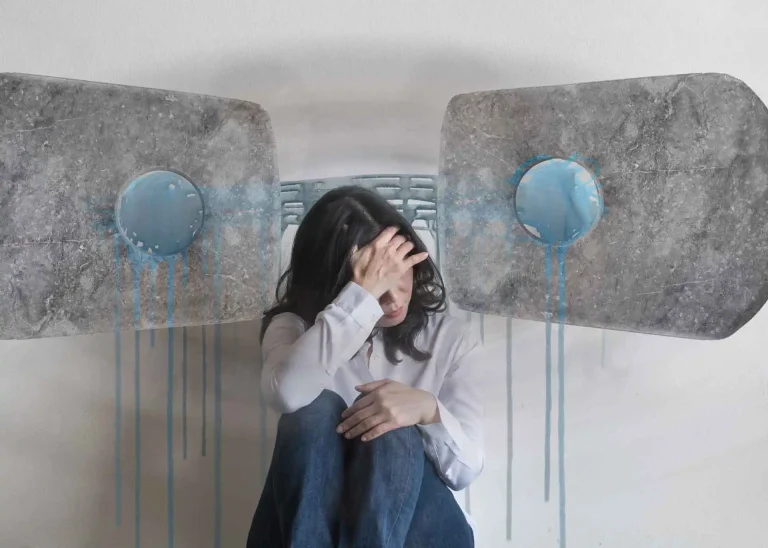
Do you know that anxiety is one of the essential features of human nature? It helps us avoid danger and seek security, allowing us to deal with difficult situations and manage our lives. It becomes a problem when it leads to excessive vigilance and other symptoms that disrupt your everyday activities. While there are several ways to manage anxiety symptoms and treat this condition, psychodynamic therapy can help address the root cause so you can heal from the inside out.
What Is Psychodynamic Anxiety Therapy?
Based on the work of Sigmund Freud, psychodynamic therapy is a form of talk therapy that is primarily used to treat psychological disorders such as anxiety, depression, and grief. It encourages clients to become aware of their emotions and process unresolved feelings. A therapist tries to bring these emotions and feelings to light, allowing individuals to understand how they contribute to their anxiety.
Unresolved conflicts from your past can often manifest in the form of anxiety symptoms. By exploring these unconscious processes, this anxiety therapy helps you make connections between past events and present anxiety symptoms. With an increased awareness, you are able to work through unresolved issues and get relief from anxiety.
Things to Know About Psychodynamic Anxiety Therapy
1. Understanding the Therapeutic Process
In psychodynamic therapy, a therapist helps you uncover hidden emotions, repressed memories, and desires that may be contributing to your anxiety. This therapy is based on the concept that our early experiences shape our personality and impact our present-day thoughts and behaviors. Psychodynamic therapy helps you understand the connections between past events and current anxiety symptoms. It offers a unique opportunity to address the underlying causes of your anxiety, leading to long-lasting relief.
2. Finding the Right Therapist
With the growing number of therapists in the market, it can be difficult to determine who is the right choice for your anxiety treatment. In such situations, you should consider the following factors to find the right therapist for you.
- Have clarity about your goals for therapy
- Look at how much experience each therapist has
- Ask what type of therapy they offer
- Consider the location of each therapist and if they are available at the time that works for you
- Understand the fee structure and how much they charge for each session
- Talk to each therapist to assess if you feel a sense of connection, safety, and support with them
- See what therapists are good listeners and are able to explain things in simple terms
- Lastly, make sure that your choice of therapist acknowledges and accepts your emotions, feelings, and experiences
3. Communicating With Your Therapist
Once you choose a therapist for your anxiety treatment, it is important to communicate your concerns to them. Always set realistic goals and move at a pace that you are comfortable with. While you should be honest and open with your therapist, talking about your feelings may initially seem a little challenging. So, you can start by speaking about small issues. Once you get comfortable with your therapist, you may feel more comfortable talking about your feelings, relationships, past traumas, new changes in life, and more.
4. Practice Outside of Sessions
Treatment for anxiety should not be limited to the psychodynamic therapy sessions. There are several things you can do outside of therapy to help manage anxiety. You can practice relaxation techniques or perform physical activities to help relieve anxiety. Spending quality time with your loved ones or pursuing a hobby can also help you manage anxiety symptoms.
5. Support System
While receiving psychodynamic anxiety treatment, it is important to surround yourself with supportive people. Good company can make you feel safe and avoid things that may trigger your anxiety. A support system also allows you to implement what you learned from the therapy sessions in practice, helping you manage your symptoms better. If you do not currently have a supportive group of people in life, you can join a support group that helps people suffering from anxiety and other psychological conditions.
6. Commitment
When it comes to psychodynamic anxiety therapy, it is important to stay committed to the journey. It may take several sessions with your therapist to uncover your underlying feelings, emotions, or past experiences that may be contributing to your anxiety. If you miss your therapy sessions regularly or are not committed to the process, it can be difficult to achieve positive results.
7. Setting Goals for Therapy
While you can have certain goals in mind going into therapy, you also need to set goals for anxiety therapy in collaboration with a therapist. These goals may have both short-term and long-term objectives. The goals generally depend on the type of anxiety and individual needs. Some of the common goals for anxiety therapy include identifying triggers, improving self-awareness, developing coping skills, improving social situations, fighting negative thoughts, etc.
8. How Long Does Anxiety Therapy Take?
Psychodynamic therapy for anxiety can take between 6-8 months to over a year. The duration depends on the type of therapy and the patient’s needs. For example, short-term psychodynamic therapy typically lasts 6-8 months and consists of 25-30 sessions. Long-term psychodynamic therapy, on the other hand, lasts over a year and involves more than 50 sessions.
9. Self-Care Matters
Therapy may not have a positive impact on your anxiety if you do not also work on your symptoms individually. Your therapist can help you gain insights into the unresolved conflicts and past experiences that are fueling your anxiety. However, you must reflect and analyze your thoughts, feelings, and behaviors. With self-care, you can reduce stress levels, improve mood, and boost your self-esteem. You should focus on both therapy and self-care to improve your mental health.
10. Therapy Is Not a Quick Fix
Before you start your psychotherapy for anxiety, you should know that therapy won’t cure your anxiety problems overnight. It may take months to develop a deeper understanding of one’s unresolved thoughts, feelings, and emotions. Individuals also need time to learn coping skills and techniques to manage their symptoms and work on themselves. Choosing the right therapist can accelerate the process, but it takes time.
Conclusion
It is possible to overcome anxiety symptoms and lead a healthier life with the right kind of psychodynamic anxiety therapy. While choosing the right therapist makes a lot of difference, you should also keep the points above in mind to get the desired results from your anxiety therapy.