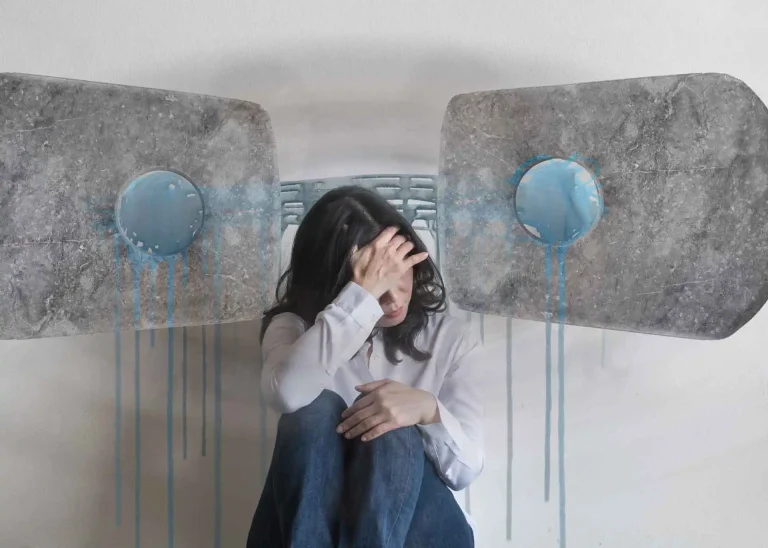
Emotional trauma is mainly a result of a disturbing or distressing phase or event in one’s life. These incidents have a lasting impact on the individual’s mental and, in some cases, physical well-being. Emotional trauma is often subtle and hidden. This is why, even though millions of adults suffer from this mental ailment, they are unable to recognize and understand it.
As adults, we want to be emotionally resilient, but sometimes we are unable to recognize our own turmoil. Understanding the key symptoms is the first step toward overcoming emotional trauma.
What is Emotional Trauma?
Emotional trauma is a result of an adverse event or experience that an individual has gone through in the past. These events have a profound and lasting impact on their life, altering their entire personality, behavior, and attitude. These events are mainly classified as big T and little “t.”
Big “T” refers to one major event that caused emotional trauma, and little “T” refers to less significant recurring events that cumulatively caused emotional trauma.
Something to note is that the adverse events don’t necessarily have to be recent. They can even be childhood traumas that show up as symptoms of emotional trauma in adults.
Why Recognizing the Symptoms Matters
Recognizing the symptoms of emotional trauma is important because it helps you overcome the mental turmoil associated with those events. Unprocessed emotional trauma often shows up as anxiety, irritability, numbness, or a sense of disconnection. But when you understand the symptoms, you are able to handle them with compassion.
This positive step helps you live a happier and more fulfilled life. It makes you feel emotionally secure and creates a safer environment for yourself and your loved ones. You can’t change what happened in the past. But by recognizing your feelings, you have complete control over your future. So, start working on yourself today because your loved ones deserve a happier version of “you.”
Common Causes of Emotional Trauma in Adults
A number of events and incidents can cause emotional trauma. Understanding them is the first step towards victory against this negative mental state. Here are a few common causes of emotional trauma that can impact your life severely.
Sudden or Unexpected Life Events
Life is full of surprises. Sometimes these surprises and events have a drastically negative impact on our lives. An unexpected event, such as the loss of a loved one or job loss, doesn’t just cause momentary sadness; it has the potential to alter your attitude and behavior.
Abuse and Violence
If you have experienced or are experiencing abuse or violence in any form in your life, there is a high possibility that you have unprocessed emotional trauma. These events can include abuse during childhood, sexual abuse as an adult or child, growing up with emotionally abusive or violent parents, or being in a relationship with an abusive partner.
Chronic Stress & Prolonged Adversity
Any life event that has led to chronic stress or prolonged adversity also leads to emotional trauma. The cause of chronic stress could be anything. This can include events related to work, school, college, medical treatment for an illness, relocating to a new place, or going through a separation.
Relationship Loss and Betrayal
Betrayal in a romantic relationship or even a friendship can be an underlying reason for emotional trauma. A difficult breakup or betrayal from a friend is often silent, but it changes you completely. As a result, many people begin to develop trust issues and struggle to form meaningful connections with others.
Workplace and Financial Trauma
Chronic stress at the workplace or financial instability can also have a detrimental impact on an individual’s life. This leads to emotional trauma where the person lives in chronic fear about money or losing their job. These conditions need to be addressed immediately, before they escalate into something serious.
Childhood Trauma
Individuals who experienced trauma in their childhood are more likely to experience unprocessed trauma as adults. The psychological wound that was created as a child often shows up as mental ailments such as Post-Traumatic Stress Disorder (PTSD) in adults. This is why it is essential to go to the root cause of your emotional trauma to build long-term resilience.
Common Symptoms of Emotional Trauma in Adults
The symptoms of emotional trauma are different for different adults. At times, the symptoms are very prominent; at other times, subtle. However, identifying them is important for improving the quality of your life:
Physical Symptoms of Trauma
Physical symptoms of emotional trauma include the following:
- Persistent fatigue
- Irregular sleep habits
- Headaches
- Muscle stiffness or numbness
- A change in appetite
- Sudden palpitations
- Nausea or stomach aches
- Feeling dizzy
- Skin conditions such as rashes and eczema
When a person is experiencing trauma, their body is in a “fight” mode, which can make them feel numb, dizzy, or experience an elevated heart rate without any apparent reason. If you or someone you know is experiencing this, it could be linked to unresolved trauma.
Emotional Symptoms of Trauma
Although the physical symptoms of trauma are very evident, the emotional symptoms are mostly subtle, almost invisible. But invisibility doesn’t mean they are not significant. Emotional symptoms mainly include:
- Flashbacks of the traumatic event
- Intrusive thoughts, including thoughts of self-harm.
- Feeling depressed, hopeless, and guilty
- Irritability and emotional instability
- Being emotionally detached from things and people
- Being hypervigilant
- Seclusion and social disengagement
Victims of emotional trauma often suffer from feelings of guilt and humiliation. They feel that the unfortunate incident was their fault and may even try to harm themselves as a form of punishment.
Behavioral Symptoms of Trauma
A person who is suffering from emotional trauma also displays several behavioral symptoms, which include:
- Avoiding people, social gatherings, or places that trigger the trauma.
- Cutting ties with loved ones.
- Drastic change in eating habits: either eating too much or too little
- Using drugs and alcohol as a coping mechanism against emotions.
- Self-destructive habits, such as self-harm.
- Becoming furious all of a sudden, leading to violent altercations.
- Changes in sleeping patterns, including difficulty sleeping or sleeping too much.
The behavioral symptoms make it difficult for the individual to conduct day-to-day activities and lead to various challenges at school or in the workplace.
What You Can Do: Next Steps for Healing
A traumatic experience doesn’t define your entire life. Healing comes from acknowledging your feelings and being comfortable with them. So, sit down with your emotions, allow yourself to feel the pain, and let go of the guilt. Here is how you can help yourself:
Acknowledge Your Experience
The first step to healing from emotional trauma is acknowledging your experience and your emotions. This will help you understand why you are feeling the way you do. Avoiding inner work will make healing more difficult. Professional help will be most beneficial if you can sit with your emotions without any judgment and recognize them.
Get Professional Support
Emotional trauma is a lonely experience. Although you may have a strong support system in your home, you may still feel lost. So, if you are unable to cope with your feelings, remember that it is okay to seek help. A therapist will help you understand your feelings and develop strategies to cope with them.
Potential supports include medication, self-care, psychotherapy, or a combination of all. The ultimate goal is to identify the root cause of the ailment and find a solution.
Practice Self-Care
Self-care is one of the most crucial aspects of healing from emotional trauma. This includes grounding exercises, meditation, deep breathing, and practicing mindfulness. Apart from this, lifestyle changes such as eating healthy, balanced meals and staying physically active for the whole day also help deal with the symptoms of emotional trauma.
Professional help is here to guide you, but your day-to-day work will support your healing journey.
Build Long-Term Resilience
To overcome emotional trauma and build long-term resilience, you have to be consistent with your efforts. People experience trauma in different ways. One minute, you may feel completely healed, and the next, you are consumed by negative thoughts. Building resilience and being consistent with your efforts helps you bounce back from difficult times.
To build long-term resilience, you have to focus on connecting with people who remind you you’re not alone on this journey. For this, you can join support groups where you interact with like-minded people. Additionally, establishing healthy habits and prioritizing your mental well-being above all will help you build mental resilience.
Contact Depth Counseling for Emotional Trauma Support
If you are feeling confused in your healing journey, remember that it is entirely normal. There is no set road map towards healing, which is why most people feel lonely and overwhelmed.
To battle with this loneliness, confusion, and constant internal struggle, you have Depth Counseling by your side.
We help individuals understand their emotions and develop coping strategies to tackle them by offering effective trauma therapy in Chicago. Emotional trauma is like carrying an invisible, heavy backpack. Although nobody can see it, you feel the weight at every moment of your life. Fortunately, with the help of our experienced therapists, you will be able to take the weight off your shoulders and live a free life. Connect with us to learn more.
Conclusion
People often suffer from emotional trauma in silence. This is largely due to the shame and guilt associated with the experience, as well as the dark clouds of confusion that accompany it. Even though the signs of trauma are very evident, it is difficult to recognize them. If you or your loved one can relate to the symptoms of emotional trauma, it is important to seek professional help.
At Depth Counseling, our experienced therapists will provide you with the right guidance to support your recovery process. We will help you create coping mechanisms to deal with your feelings and overcome the negative ones. So, come and take the first steps towards a happier and healthier life with us.
Frequently Asked Questions (FAQs)
Can emotional trauma affect physical health?
Yes, emotional trauma affects your physical health. Symptoms such as fatigue, insomnia, muscle tension, gastrointestinal issues, increased heart rates, and even skin issues such as eczema and rashes are signs of stored emotional trauma. If you see these signs, it is essential to consult with the team of therapists at Depth Counseling today.
How long does it take to recover from emotional trauma?
There is no specific timeframe or timeline for healing from emotional trauma. You may experience symptoms such as anxiety, stress, and flashbacks subsiding within a few days of the therapy. But healing completely from the trauma requires consistent effort, building resilience, and a strong support system.
Can emotional trauma lead to anxiety or depression?
Yes, anxiety and depression are signs of emotional trauma. Unresolved traumatic memories can trigger your stress responses, fuel negative beliefs, and impair daily functioning. This is why, if you are suffering from anxiety or depression, it is important to go to the root cause of the issue.
What’s the difference between emotional trauma and PTSD in adults?
Emotional trauma is a psychological wound caused by a deeply traumatic or distressing event. This leads to several physical, emotional, and behavioral symptoms. PTSD (Post-Traumatic Stress Disorder), on the other hand, is a clinical disorder that develops after a traumatic event.
What does unresolved trauma look like in adults?
Unresolved trauma can show up in many ways in adults. It is primarily a combination of emotional, physical, and behavioral symptoms. Chronic anxiety, depression, intrusive thoughts, feelings of shame and guilt, insomnia, headaches, and fatigue are some of the common signs.