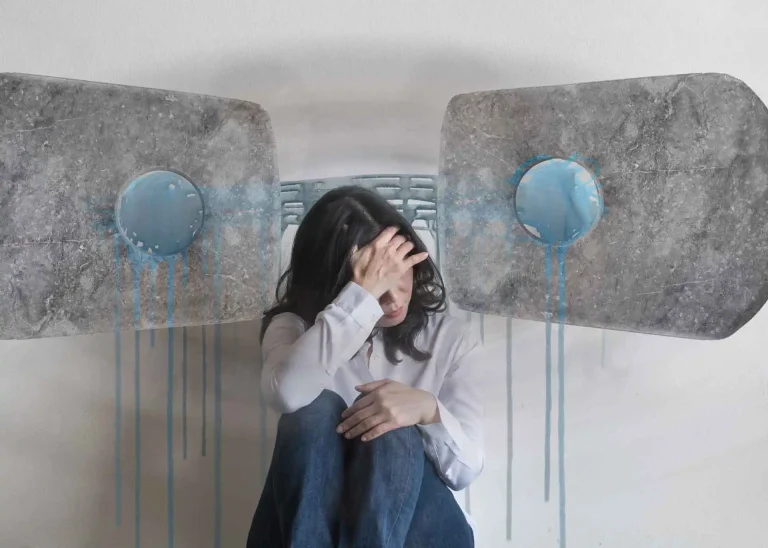
Stress is a response to a specific external pressure, while anxiety is a persistent, internal feeling of worry or fear that can continue without any external stressor. An experienced anxiety therapist in Chicago will help you differentiate between the two conditions and find a reliable solution.
Understanding Stress
Stress is primarily a response to a specific external pressure. Unfortunately, the term “stress” is often used so casually that it is losing its meaning. But stress can be beneficial. It can help individuals take proactive actions and solve problems in their lives.
What Is Stress?
Stress is the body’s natural response to pressure, demands, or challenging situations. It occurs when you feel overwhelmed or unable to cope with external/internal expectations.
Stress is mostly short-term and can affect your mental, emotional, and physical well-being if not managed properly. This is why it is important to understand the causes and effects of stress and to develop coping mechanisms to manage it.
Physical and Emotional Symptoms of Stress
Stress manifests in your body as physical and emotional symptoms.
Physical Symptoms of Stress:
Stress leaves the body in fight or flight mode, and has long-term and immediate effects, which include:
- Aches and pains
- Feeling like your heart is racing
- Exhaustion
- Headaches or dizziness
- High blood pressure, or hypertension
Emotional Symptoms of Stress:
Stress may significantly impact your mood and overall cognitive function. Some of the common emotional symptoms of stress include:
- Feeling anxious, irritable, sad, depressed, or overwhelmed
- Difficulties in concentrating, racing thoughts, or forgetfulness.
- Experiencing poor judgment and difficulty making decisions
- Substance abuse, social withdrawal, and losing interest in things you once enjoyed
Short-Term vs. Long-Term Stress
Short-term, or acute, stress is a brief response to immediate challenges, boosting focus and energy but causing temporary tension. While it can feel uncomfortable in the moment, short-term stress can actually be beneficial.
On the other hand, long-term stress persists for weeks or months. It can disrupt sleep, immunity, and mood. Long-term stress affects the individual’s overall well-being and can increase the risks of anxiety, depression, and heart disease.
Understanding Anxiety
Anxiety is a natural human response to stress, uncertainty, or perceived danger, helping us stay alert and prepared. Although anxiety—like stress—can be helpful, it becomes a problem when it’s persistent and starts to affect your daily life.
When anxiety is ongoing, it can develop into an anxiety disorder, which is a real and treatable mental health condition. In the sections below, we’ll take a closer look at what that really means.
What Is Anxiety?
Anxiety is a feeling of worry, fear, or uneasiness that increases your heartbeat or makes you feel restless.
While normal anxiety is a temporary feeling that helps you focus and prepare yourself for life challenges, prolonged irrational fear that disrupts your daily life and even causes severe panic attacks can be a sign of an anxiety disorder.
Signs and Symptoms of Anxiety
There are no fixed symptoms of anxiety; it shows up in many ways. It affects both mind and body, making it difficult for the person to live a happy life.
Emotional Symptoms:
- Constant worry
- Racing thoughts
- Irritability
- Restlessness
- Difficulty concentrating
Physical Symptoms:
- Rapid heartbeat
- Shortness of breath
- Sweating and trembling
- Muscle tension
- Headaches and/or stomach discomfort
Behavioral Symptoms:
- Sleep disturbances
- Fatigue
- Sense of impending danger without a clear cause
- Avoidance of certain situations
- Feeling overwhelmed by simple daily tasks
Types of Anxiety Disorders
Below are the common types of anxiety disorders:
- Generalized Anxiety Disorder (GAD): Ongoing excessive worry about daily life, health, responsibility, or work.
- Panic Disorder: Sudden and repeated panic attacks.
- Social Anxiety Disorder: Intense fear of social situations.
- Specific Phobias: Irrational fear of an object or situation.
- Separation Anxiety Disorder: Extreme anxiety related to being away from a loved one.
- Obsessive-Compulsive Disorder: Intrusive thoughts and repetitive behaviors.
- Post-Traumatic Stress Disorder (PTSD): Anxiety following a traumatic event, including flashbacks, avoidance, and heightened alertness.
Stress vs. Anxiety – Key Differences
Stress and anxiety are both natural responses to perceived threats, yet they have some minor differences.
Stress is typically a response to external pressure, such as work deadlines or life changes, and it subsides once the situation is resolved.
Anxiety, on the other hand, persists without a clear trigger and involves irrational worry, fear, or anticipation. Since anxiety has no clear reason, the condition is more chronic and internally driven.
Causes and Triggers
Stress is usually caused by identifiable external factors such as workload, a life event, or a conflict with a loved one or colleague. Anxiety is more complex and can be triggered even without a clear external cause. Genetics, brain chemistry, past trauma, and learned behaviors can all play a significant role in triggering anxiety.
Duration and Persistence
Stress is often short-lived, and once the stressful situation passes, you’ll usually notice the symptoms gradually fading. After the external stressor is removed, you typically start to feel more like yourself again.
Anxiety is more long-lasting and can continue for months or even years. Even when nothing seems “wrong” in your life, you experience anxious thoughts and physical tension.
Physical vs. Emotional Effects
The common physical and emotional symptoms of stress include muscle tension, headaches, fatigue, and temporary irritability. Anxiety includes severe physical and emotional symptoms such as rapid heartbeat, shortness of breath, constant worry, fear, and difficulty concentrating. Although the physical and emotional effects of stress and anxiety are almost the same, people suffering from anxiety experience more intense symptoms.
Behavioral Differences
People under stress may become temporarily overwhelmed, impatient, or distracted, yet still engage in daily responsibilities. Anxiety, on the other hand, can lead to avoidant behavior, reassurance-seeking, or withdrawal from situations that feel threatening. Over time, these behaviors can limit experiences and reinforce anxious thought patterns.
Impact on Daily Life
Stress temporarily disrupts daily life, affecting sleep, mood, and productivity. Anxiety has a broader impact, interfering with work performance, relationships, decision-making, and self-confidence. When untreated, anxiety may significantly reduce quality of life and create ongoing physical and emotional strain.
Biological Responses
Both stress and anxiety send your body into a “fight or flight” mode. Your body releases hormones such as adrenaline and cortisol, which lead to various biological changes. These hormones lead to high blood pressure, sleep issues, increased risk of heart disease, and weight gain over time.
Biological responses to stress subside once the external threat passes. However, in the case of anxiety, the biological response remains for a longer period of time.
Quick Comparison Table of Stress vs. Anxiety
Anxiety and stress are often used interchangeably. Although they can feel similar, they are distinct in terms of experience, cause, and effect.
Understanding how stress and anxiety are different can help individuals recognize their symptoms and seek appropriate support. Let us look at their key differences:
| Aspect | Stress | Anxiety |
| Definition | Anxiety is a reaction to external demands or pressures, such as deadlines, responsibilities, or life changes. | A persistent feeling of worry or fear may arise without a clear external cause. |
| Primary Cause | Triggered by identifiable stressors like work, finances, or relationships. | Brain chemistry, trauma, thought patterns, and genetics often influence this condition. |
| Duration | The duration is usually short-term and decreases once the stressor is resolved. | The effects can be long-lasting and may persist even in calm or safe situations. |
| Emotional Experience | Short-term feeling of pressure, frustration, or overwhelm that is experienced emotionally. | Persistent sense of worry, fear, dread, or impending danger. |
| Physical Experience | Physical symptoms include short-term muscle tension, headaches, fatigue, or temporary sleep issues. | Long-term symptoms include a rapid heartbeat, shortness of breath, and stomach discomfort. |
| Behavioral Response | May reduce focus or patience temporarily. | Can lead to avoidance, withdrawal, or constant reassurance-seeking. |
When Stress Turns Into Anxiety
Stress is a normal part of life. It can show up when deadlines pile up, responsibilities increase, or you’re going through a major life change. Usually, once things settle down, stress fades—it’s often short-term and can even help you push through tough moments. But sometimes the pressure doesn’t let up. When stress sticks around, it can start to shift into anxiety.
With prolonged stress, the body can stay stuck in “fight-or-flight.” You might find it harder to fall asleep and feel constantly on edge or on high alert. Over time, that ongoing stress can develop into anxiety. The good news is that anxiety linked to long-term stress is treatable.
How To Handle Stress and Anxiety
Every individual who is experiencing stress or anxiety must learn how to handle it. When these conditions are not addressed promptly, they may progress to a severe condition.
There are many techniques that help you maintain emotional balance and enhance your overall well-being. Let us look at them in the section below:
Stress Management Techniques
There are several stress management techniques that you can use to handle the symptoms.
- Deep Breathing: It is one of the simplest and most effective ways of managing stress. Inhale slowly through your nose, filling your lungs and belly with air. Now release the air through your nose, letting go of any tension.
- Exercise: Regular light exercises can also help manage stress. Go for walks, do yoga, or do some light cardio to relieve stress.
- Meditation: Focusing your mind on the present moment helps manage stress.
Managing Anxiety
Managing anxiety may involve the following techniques:
- 4-7-8 Deep Breathing: In this breathing technique, you inhale from your nose for 4 counts, hold your breath for 7 counts, and exhale with force from your mouth in 8 counts.
- Mindful Grounding: Calming your mind with the 5-4-3-2-1 method helps you focus more on the present moment.
- Therapy: If you seek professional help, your therapist can implement several evidence-based practices, such as CBT and medication, to calm your mind and tackle anxiety.
Lifestyle Adjustments for Both
Making healthy lifestyle changes can be an effective way to manage stress and anxiety. Start by prioritizing sleep—aim for about 8 hours a night to help regulate your mood and support emotional resilience.
A balanced diet and regular physical activity can also support brain health and reduce tension. Limiting caffeine and cutting back on screen time (especially before bed) may also help calm your nervous system. In addition, practices like mindfulness, deep breathing, and journaling can promote relaxation and build self-awareness.
Start Your Stress and Anxiety Support Journey with Depth Counseling
If you are suffering from stress or anxiety, you can take the first step towards better mental clarity today. At Depth Counseling, we offer you the right support and care, helping you understand what is causing your distress and how to overcome it.
We understand that suffering from stress and anxiety can make you feel helpless and overwhelmed. But when you have us by your side, you can handle every situation with grace and confidence. Our therapists work collaboratively with you to understand your experiences, strengthen coping skills, and support emotional healing at your pace.
If your stress or anxiety is becoming unmanageable, affecting your daily life, Depth Counseling is your answer.
Conclusion
When left unaddressed, stress and anxiety can start to interfere with everyday life. They can affect both emotional and physical well-being and lead to changes in behavior. Over time, this can take a toll on you—and on the people closest to you.
Now, although stress is normally a short-term condition, if it is not controlled, it takes the form of anxiety. And we all know that anxiety has a crippling impact and unknowingly removes all the joy from life.
This is why it is important to identify the signs of stress and anxiety and take the first step towards healing. Our team at Depth Counseling offers compassionate care that makes you feel heard, empowered, and supported. Connect with our team today and move forward with confidence and emotional resilience.
Frequently Asked Questions
How do i know if i have an anxiety disorder or just stress?
Stress is usually linked to a specific situation, but it improves once the stressor is resolved. Anxiety often feels persistent and overwhelming and may continue even without a clear cause.
How long does anxiety last compared to stress?
Anxiety lasts for a longer period of time, sometimes months and even years. Stress, on the other hand, lasts as long as the external stressor is present. Once the external stressor is removed, symptoms of stress also go away.
What triggers anxiety the most?
Anxiety can be triggered by many factors, including stress, past trauma, and major life changes. Internal factors such as negative thought patterns, genetics, brain chemistry, and fear of uncertainty can also increase anxiety.
How can therapy help with stress vs. anxiety?
Therapy helps cope with stress by teaching coping mechanisms, problem-solving skills, and stress management techniques.
For anxiety, therapy focuses on understanding thought patterns, regulating the nervous system, and reducing avoidance behavior. The therapist helps identify the root causes and creates personalized strategies for lasting emotional balance.
Can anxiety occur without any stressful situation?
Yes, anxiety can occur even without an obvious stressful situation. It may be influenced by genetics, brain chemistry, past experiences, or ongoing thought patterns. People with anxiety disorders often feel worry or fear without a clear trigger.