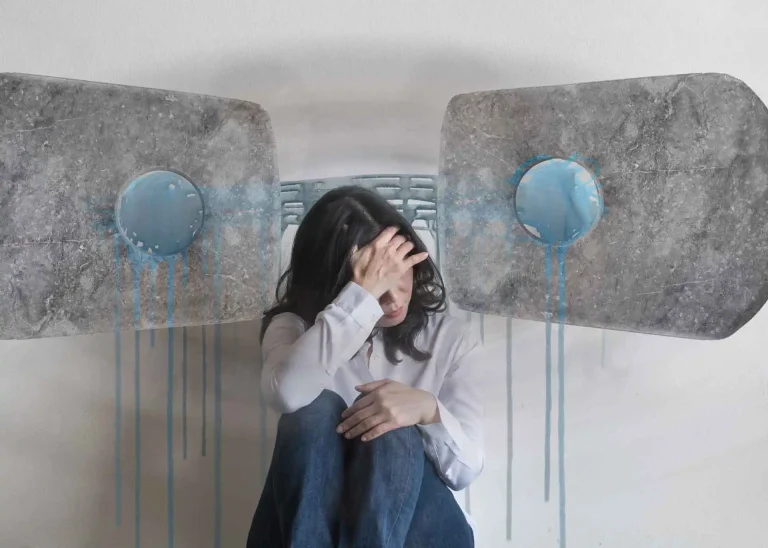
Seasonal depression is more than just “winter blues.” It’s a heavy, lingering sadness that can make everyday life more challenging. If you or someone you care about is struggling, you’re not alone. Many face this invisible weight when the seasons shift, especially during darker, colder months. But there are ways to deal with it. Small, meaningful changes can help ease the burden and bring light back into your days. Let’s look into some proven hacks to help you or your loved ones manage seasonal depression with compassion and ease.
What is Seasonal Affective Disorder (SAD)?
Feeling down during the gloomy winter months? 5% of American adults feel the same. Seasonal Affective Disorder (SAD) is a type of depression that comes and goes with the seasons. It’s more common during late autumn and winter when there’s less sunlight.
If you’re experiencing SAD, you may feel:
- Low energy
- Difficulty concentrating
- Changes in appetite of sleep patterns
- Social withdrawal
- Irritability
It’s important to remember that SAD is a real condition, and you don’t have to suffer alone. With the right strategies, you can manage your symptoms and feel better.
Why Does Seasonal Affective Disorder Happen?
The exact cause of SAD is not fully understood. Still, it’s believed to be linked to changes in the body’s internal clock (circadian rhythm) and serotonin levels, a neurotransmitter that affects mood.
Who is Affected by SAD?
Seasonal Affective Disorder can affect anyone, but it’s more common in certain groups, including:
- Women
- Young adults
- People with a family history of depression
If you think you are experiencing SAD, it’s important to talk to a mental healthcare professional from reputed companies like Depth Counseling. They can help you diagnose the condition and recommend appropriate seasonal depression treatment options.
Effective Seasonal Depression Hacks
There are multiple seasonal depression treatments available to deal with SAD. Let’s address a few of them.
Light Therapy
Feeling blue during the winter months? Sunlight can be a powerful mood booster. Light therapy, or phototherapy, involves sitting in front of a special light box that mimics natural sunlight. This exposure to bright light can help regulate your body’s internal clock and improve your overall mood.
Maintaining a Consistent Routine
A consistent routine can provide stability and structure, especially during challenging times. Try to wake up and go to bed at the same time each day, even on weekends. A regular sleep schedule can help regulate your mood and energy levels. Also, establish a daily routine that includes activities you enjoy, such as reading, hobbies, or spending time with loved ones.
Staying Physically Active
Exercise is a fantastic way to combat seasonal depression. Physical activity releases endorphins, natural mood elevators that can help alleviate depression symptoms. Aim for at least 30 minutes of moderate exercise most days of the week. It can be a brisk walk, yoga, or dancing. Try to find activities you enjoy and stick with them.
Eating Mood-Boosting Foods
The foods you eat can significantly impact your mood. Add plenty of fruits, vegetables, whole grains, and lean proteins to your diet. These nutrient-rich foods can help stabilize your mood and energy levels. Limit processed foods, sugary drinks, and excessive caffeine, as these can worsen symptoms of depression.
Engaging in Social Connections
Social isolation can exacerbate feelings of loneliness and depression. Make an effort to connect with friends and family regularly. Share your feelings, seek support, and participate in social activities. Strong social connections can provide a sense of belonging and reduce stress. In fact, social connections can improve the odds of overcoming seasonal depression by 50%.
Setting Realistic Goals
Setting achievable goals can give you a sense of purpose and accomplishment. Break down larger tasks into smaller, manageable steps. Celebrate your successes, no matter if it is a mere improvement in your routine or being regular at the gym. And don’t be disappointed if you fail to be on track. Just make sure not to repeat those failures. Progress is the key to recovery, not perfection.
Practicing Mindfulness and Meditation
Mindfulness and meditation techniques can help you stay present and diminish stress levels. These practices can help you focus on the present moment, reduce negative thoughts, and improve your overall well-being.
- Mindfulness: Pay attention to your thoughts and feelings without judgment.
- Meditation: Practice deep breathing and focus on your health.
Even a few minutes of mindfulness or meditation each day can make a significant difference.
Therapy and Professional Support
If you’re struggling with severe symptoms of seasonal affective disorder, consider seeking professional help. A therapist can provide guidance, support, and tools to help you manage your condition. Therapy can also help you identify and address underlying issues contributing to your depression.
How Depth Counseling Can Help
Feeling overwhelmed by seasonal depression? Depth Counseling offers a compassionate and effective approach to help you navigate these challenging times. Our experienced therapists understand the unique struggles associated with SAD and can provide tailored support.
Through a combination of therapeutic techniques, such as counseling and psychodynamic therapy, we can help you:
- Identify and challenge negative thought patterns
- Develop coping strategies to manage symptoms
- Enhance your self-awareness and emotional regulation
- Build resilience and improve your overall well-being
If you’re ready to take control of your mental health, don’t hesitate to reach out to Depth Counseling. We’re here to listen, understand, and support you on your journey to healing.