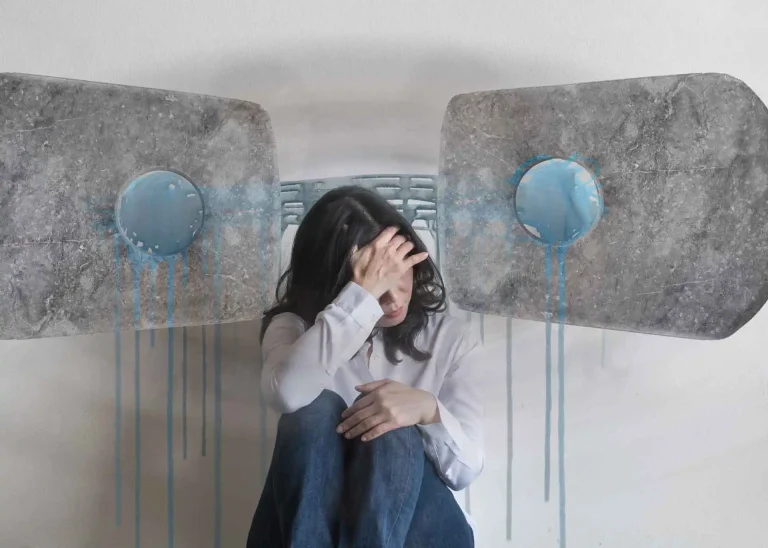
Every session of trauma therapy is tailored to individual experiences, goals, symptoms, and progress, meaning some people can improve in weeks while others require ongoing treatment for several months to make peace with trauma.
Healing from trauma is a gradual process that allows the body and mind to regain a sense of normalcy and safety while also developing healthy ways to come to terms with the past. The timeline for therapy depends on the complexity of your experiences and what you want to achieve in the long term. Understanding the factors that influence the healing process is essential for setting realistic expectations and learning how to carry the trauma in your everyday life.
Typical Timelines for Trauma Therapy
One of the biggest misconceptions people have about trauma therapy in Chicago is that everyone goes through the same recovery approach and timeline. The reality is different. Research suggests that about 50% of psychotherapy patients show meaningful improvement after approximately 15 to 20 sessions, but there is no standard timeline for healing from trauma. Length varies based on a person’s history, the complexity of the trauma, current symptoms, and treatment goals.
In psychodynamic psychotherapy, treatment explores how past experiences and relationships shape present emotions and patterns. As a result, the scope of this exploration can affect the timeline. Addressing longstanding trauma, past relationships, and recurring emotional patterns may take several months, a year, or longer.
Timeline | What May Happen |
4 to 8 Weeks | In the beginning, therapists focus on initial stabilization and development of coping skills. This phase also determines if you are ready to move on to the next areas of healing. |
2 to 6 Months | During this time period, it is common to start directly processing traumatic memories, determining ways to reduce emotional stress, and reframe negative beliefs to gain more confidence on a daily basis. |
6 to 12 Months | As deeper healing continues, you may experience lasting improvements in mood, relationships, and emotional regulation while strengthening healthier thought patterns. |
Beyond 12 Months | This phase usually only occurs when dealing with deep trauma or complex PTSD (C-PTSD). Instead of just dealing with reducing acute symptoms, therapy shifts towards nurturing post-traumatic growth by addressing deeply buried events and repairing how past trauma has affected interpersonal relationships. |
Factors That Affect How Long Trauma Therapy Takes
The duration of trauma therapy in Chicago varies from person to person. No therapist can predict after the first consultation exactly how many sessions you need to heal and regain confidence in yourself. This is because trauma history, available support, symptom severity, and the therapeutic relationship shape the pace of your recovery.
Trauma History
The type, duration, and timing of trauma majorly influence how long trauma therapy will take. A single traumatic event may take fewer sessions than individuals struggling with complex or repeated trauma. Childhood trauma generally involves layers and negatively affects emotional development, relationships, and self-beliefs. Therapists carefully explore the history of long-term abuse, neglect, or repeated exposure to distressing conditions to determine the right treatment approach and pace without overwhelming the nervous system.
Symptoms and Safety
Serious safety concerns require slow, compassionate support. Those experiencing chronic anxiety, panic attacks, dissociation, or suicidal thoughts need steady care to rebuild emotional stability before revisiting traumatic experiences. Persistent flashbacks, insomnia, emotional numbness, or intense hypervigilance can affect the pace and duration of treatment. Establishing safety is a core part of trauma therapy. The longer it takes to create a safe and supportive space, the more time it takes for you to cope with intense emotions and move forward in therapy.
Support and Therapeutic Fit
Support and therapeutic guidance can make your healing process less isolating and reinforce progress. And to feel safe, understood, and respected, you need a therapist you feel comfortable with. A strong bond with the therapist encourages open communication, builds trust, and provides support that can speed up healing in a safe, effective way.
Psychodynamic Psychotherapy for Trauma and Typical Timeframes
There are many types of trauma therapy, and the length of treatment can vary depending on the approach. Trauma-informed psychodynamic psychotherapy focuses on understanding how traumatic experiences, past relationships, and unconscious emotional patterns may continue to influence your present life.
Because psychodynamic psychotherapy is individualized rather than structured around a set number of sessions, there is no standard treatment timeframe. Some people may attend therapy for several months, while others may continue for a year or longer. The timeline depends on factors such as the complexity and history of the trauma, your treatment goals, and the emotional and relational patterns being explored.
Rather than working toward a predetermined number of sessions, psychodynamic trauma therapy allows the treatment to develop at a pace that supports deeper exploration and lasting change.
What to Expect During the Trauma Therapy Process
Trauma therapy usually follows a three-phase model to help individuals recover without becoming overwhelmed. Knowing what to expect in each phase can reduce uncertainty and help you stay confident throughout recovery.
Stabilization
The first phase focuses on creating a safe and understanding environment so you feel more comfortable communicating. You will learn different coping strategies to manage overwhelming emotions and build a trusting bond with the therapist. The preparation in this phase helps you develop emotional resilience and ensures you are ready to revisit traumatic memories without getting emotionally drained.
Trauma Processing
Once you feel emotionally prepared, the therapist gradually moves to explore your traumatic experiences. They use evidence-based techniques suited to your situation to change your bad thoughts and face past pain. The therapist carefully paces each session in this phase, allowing you to understand, process, and gradually release heavy stress linked to your past experiences.
Integration
The final phase focuses on applying what you have learned in the therapy room in real life. You will grow strong coping habits, rebuild confidence, improve relationships, and feel whole again. Instead of forgetting the past entirely, you will develop the ability to move forward safely without trauma controlling your mind and body.
How to Know Trauma Therapy Is Helping
Progress from trauma therapy can show up as small but meaningful changes in your body, mind, and daily reactions. While it’s natural to still feel upset about certain things, triggers may feel less intense, or you may recover faster instead of staying in rage or panic for hours. Physical triggers may lessen, and sleep quality can improve, while you build healthier boundaries without disconnecting from yourself.
Conclusion
Trauma therapy is all about healing at a pace that supports your long-term mental and physical well-being. While everyone’s timeline differs, many people find that working through complex trauma patterns takes sustained, in-depth work. Instead of comparing your journey to someone else’s, focus on the small changes you notice along the way, whether it be better sleep or even stronger relationships. If you’re looking for compassionate trauma therapy in Chicago, Depth Counseling’s psychodynamic therapists offer the steady, long-term support that makes lasting healing possible, no matter how long the journey.
Frequently Asked Questions
How long does trauma processing take?
There is no fixed timeline for trauma processing. Some single-event trauma can take about 8 to 20 sessions to process, while complex childhood trauma can take over one year or more. That said, the processing timeline often varies by the type and intensity of the trauma, an individual’s readiness, and the therapy approach.
How long does therapy take for PTSD?
The timeline for PTSD therapy depends on the individual, the nature of the trauma, and the therapeutic approach. Psychodynamic psychotherapy may continue for several months, a year, or longer as deeper emotional and relational patterns are explored. Complex or long-term trauma may also require a longer course of therapy.
Can trauma therapy work if I do not remember everything?
Yes, trauma therapy is effective even if you don’t remember everything. Treatment focuses on resolving how your nervous system responds to trauma today, the symptoms, self-beliefs, and physical responses, and not on recalling every detail from the past. Therapists never force memories and only work with current symptoms and information.
Can trauma therapy take years?
Yes, trauma therapy can take years if you are recovering from repeated abuse, childhood trauma, or complex PTSD. Long-term therapy gives you the time and support to build trust, regain self-belief, develop healthier ways to process painful experiences, and address deeply rooted emotional struggles.
How often should I go to trauma therapy?
Most people begin with one session each week to build trust, maintain momentum, and process heavy emotions. However, if you are struggling to cope with severe distress, traumatic behavior, or acute crisis, visiting a therapist twice a week can help you maintain stability and better manage your symptoms.