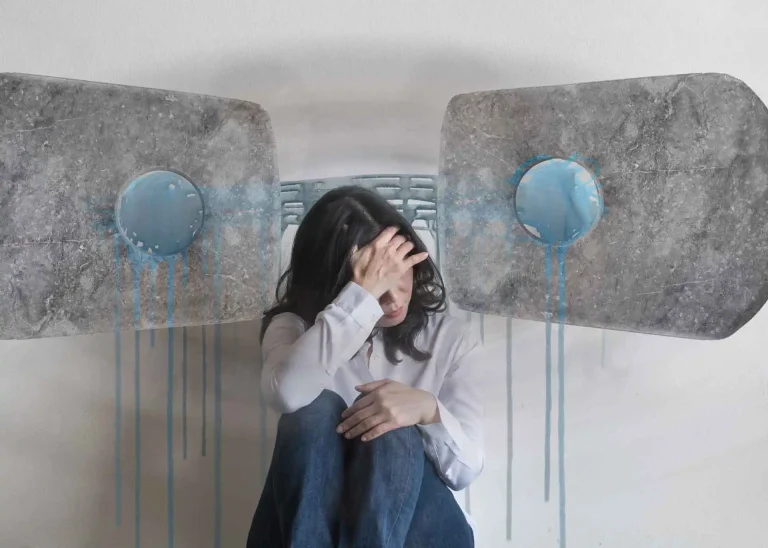
Holidays are synonymous with cheer and quality family time. However, they can also feel overwhelming for many. Between planning holiday dinners, purchasing gifts, meeting professional obligations, and handling various other to-dos, emotions can become difficult to manage. Whether you’re celebrating Thanksgiving in Chicago or any other festival, the tighter schedules and high social expectations can make the season feel extra stressful.
Hence, if you’ve ever felt the “holiday stress,” remember that it’s relatively common. Recognizing it and tackling this stress with compassion can help you feel more joyful and less stressed, instead of the other way around. This guide sheds light on what makes holidays feel overwhelming, simple strategies to manage the stress, and how mental health services in Chicago can help.
Why the Holidays Can Feel So Stressful
Reports from the American Psychological Association suggest that nearly 9 in 10 U.S. adults experience stress during the holidays. Meaning, almost everyone feels the emotional weight during this time of the year, often stemming from various expectations and concerns. Understanding them lays the foundation for feeling less self-critical and starting to address these stressors in a healthy way.
High Expectations & Social Pressure
If you’ve ever hosted a Christmas dinner or been invited to one, you probably know the unspoken expectations that loom: looking your best, engaging socially with just about everyone, spending on the “perfect” gifts, etc. Add to that the pressure created by social media, with endless posts of people looking happy and presenting an idealized version of what holidays should look like. All this pressure to look jolly and organized can automatically cause emotional strain.
Financial Stress & Overspending
From planning travel itineraries to getting the right gifts, the costs behind a holiday can quickly add up, both monetarily and emotionally. Even if you are a budgeting expert, the pressure to meet social expectations and not disappoint others can be enough to make you overspend. Simply put, navigating holidays involves expenses that exceed your usual spending. For many, this financial strain can cause stress during the holidays and after, making it more difficult to enjoy them in the first place.
Family Conflicts or Loneliness
Loneliness or a sense of disconnection is far more common during the holidays than most people realize. Whether it’s social media posts or simply seeing people celebrating together all around, holiday gatherings can surface negative feelings. For some, unresolved family conflicts or complex dynamics may lead to feelings of isolation that are more pronounced than usual. For others, it’s the feeling of spending such a special time of the year without loved ones, be it family, friends, or a significant other.
Holiday Stress Management: 9 Simple Strategies to Stay Calm
If you do feel stressed during the holidays, it’s important to remember that a few changes can help. Holiday stress management is not about completely changing your lifestyle, but instead making small, mindful changes to how you approach the season. The stress doesn’t just disappear, but these help you spend the time with more clarity and stability.
1. Set Realistic Expectations
The holiday season can be filled with commitments, and striving for perfection is what often causes stress. Yes, you’d want pleasant gatherings, seamless travel, and thoughtful gifting, but life’s unpredictable, and things don’t always go as planned. So, to manage stress, shift your focus from what you “should” do to what you “can” do. List down your responsibilities and what others expect from you during this time, and set realistic goals by considering what actually matters and what’s reasonably within your control.
2. Plan Ahead and Stay Organized
Between your family, friends, other social circles, and co-workers, some commitments can inevitably collide, such as a critical year-end meeting coinciding with a family lunch. You can avoid a lot of this unwanted stress by planning ahead, organizing your calendar, creating shopping lists if you’re hosting, deciding which events you must attend and which ones you can skip, and breaking tasks into smaller steps to avoid overwhelming yourself. The idea is not to plan every moment but to have a structure in place to minimize stress from unpredictability.
3. Learn to Feel Comfortable Saying “No”
It’s always okay to decline an invitation or demand. You don’t have to attend every gathering, meet every expectation, or host every event, no matter what. Many fear saying “no” because they think it makes them look uncaring, but we know that’s not true. Instead, you’re prioritizing your emotional bandwidth. Moreover, people can be more understanding than you’d expect and may want some breathing room in their schedules too. So, don’t let those anxious thoughts stop you from prioritizing what feels truly right for yourself.
4. Focus on What You Can Control
You’re only human, and you can only control so much. Therefore, redirect your attention to what those are: your priorities, choices, reactions, and schedules. Stressors like last-minute issues, complex family relationships, or others’ expectations aren’t in your control. Trying to manage every single thing can make them feel even heavier. When you realize that specific stressors are beyond your control, you can start letting go and getting centered, which can help you relax and enjoy the holiday.
5. Prioritize Self-Care
During holidays, it’s easy to overextend when you’re trying to tick off every to-do and make everyone happy. This automatically leads to stress, which is why you must prioritize self-care. From something as simple as a short walk to having a day out with friends, self-care can be anything that helps you care for yourself. Take a break from the shopping, cooking, cleaning, and rushing around. When you meet your own needs, you gain the emotional stability to better navigate holiday pressures.
6. Maintain Healthy Habits
Balancing work with home chores, running errands, making travel arrangements, and dealing with holiday obligations often results in us compromising our health. However, maintaining good habits is one of the most effective ways to manage stress. This means eating well, getting sufficient sleep, sticking to healthy eating and drinking during parties, and following your daily exercise routines. It’s pretty common to shift routines to accommodate holidays, but staying consistent with your habits can help regulate your mood and energy levels.
7. Practice Gratitude and Mindfulness
The holidays are all about being present, but we often forget that amidst all our commitments. Practicing gratitude and mindfulness shifts your focus from stressors to the present moment. It doesn’t mean you’re ignoring a challenge, but rather, you’re giving yourself the energy to notice what truly matters. Practice deep breathing, indulge in affirmations, and appreciate the small things, such as a friendly conversation or a quiet moment. These can help release tension and make you feel more present when stress runs high.
8. Limit Technology and Social Media Time
It’s no secret that holiday posts on social media can cause immense stress. As mentioned before, seeing others’ holiday celebrations can pile on the pressure. Limiting screen time can help alleviate this stress and also make you feel more present and connected with your own experience. Instead of measuring your holidays against what others are doing, you can feel more engaged and actually relax in whatever way you’re celebrating.
9. Ask for Support When Needed
You don’t have to deal with stress alone. If you know that the holiday season is hard for you, reach out for support, whether to your family, friends, or mental health professionals. When you seek support, you are taking a significant step in caring for yourself and working towards navigating holidays more easily.
Quick Table Comparison: Holiday Stress Management Strategies
To better understand how each strategy helps, here’s an easy table that you or your loved ones can refer to for supporting your mental well-being when the holidays feel too much.
| Stress Management Strategy | How It Helps You | When To Use It |
| Setting Realistic Expectations | Reduces pressure of expectations and supports flexibility | Holiday obligations overwhelm you |
| Planning Ahead | Prevents last-minute problems and stress | You have hectic schedules and multiple commitments |
| Saying No | Prioritizes your time, energy, and emotions | Everyone expects or wants you to do everything |
| Focusing on What You Can Control | Centers you to feel relaxed and present | Stressors beyond your control affect you |
| Prioritizing Self-Care | Brings emotional stability and positivity | Multiple responsibilities overstimulate or drain you |
| Maintaining Healthy Habits | Keeps you healthy and regulates your mood better | Holiday obligations disrupt your daily routine |
| Practicing Gratitude and Mindfulness | Encourages calmness and being present | Others’ celebrations distract you or make you feel tense |
| Limiting Social Media Time | Reduces overstimulation and comparison | Social media stresses or discourages you |
| Seeking Support | Provides emotional support and clarity | You feel disconnected, overwhelmed, or isolated from holiday obligations or seeing how others celebrate |
How Depth Counseling Helps You Manage Holiday Stress
With holiday stress, it’s easy to feel confused and heavier than expected. You’re stressed, anxious, navigating difficult situations, and often doing it all alone. Professional, compassionate support paves the way not only for understanding where these negative emotions come from but also for tackling them effectively.
At Depth Counseling, we offer a safe and supportive environment for you to explore these emotions and learn how to navigate them confidently. Through personalized therapy and counseling, our expert therapists help you develop effective coping mechanisms to manage stress. We understand that your situations, preferences, and goals can all be unique. Our team works hands-on, so you can share your feelings comfortably and build new strategies to be better prepared for the holiday season.
Conclusion
While holiday blues are common, severe stress is not something to ignore. If you feel too overwhelmed or tense during the holidays, remember that you aren’t alone and that you deserve to enjoy this time of the year. By setting realistic expectations, establishing boundaries, and prioritizing your emotional well-being, you can center yourself and truly celebrate the season.
You don’t have to handle everything alone. Holidays are meant to be a joyous time with loved ones, and if you find them especially difficult, reaching out for support can help. Depth Counseling is here to help you with the guidance and resources to navigate the holidays with comfort and ease.
Frequently Asked Questions (FAQs)
What is holiday stress management?
Holiday stress management is a set of strategies that help to cope with the emotional, financial, and social pressures people often face during this season. These include prioritizing your well-being, setting healthy boundaries, planning holiday commitments ahead, practicing mindfulness, and other key strategies that make the holidays feel less stressful.
How do I know when holiday stress is serious?
When your holiday stress starts to disrupt your daily routine, affect your sleep or appetite, cause frustration, or trigger anxious feelings, it could be seriously harming your health. If you see any symptoms of depression or anxiety and feel strained most of the time during this season, seeking professional guidance can help restore emotional stability.
How can I handle financial stress during the holiday season?
Set clear budgets, plan ahead to avoid last-minute overspending, choose thoughtful gifts that are simpler, and, if needed, discuss your spending limits. Financial stress is common, but planning around the expenses and focusing on what truly matters can help you avoid unwanted stress.
Can holiday stress affect physical health too?
Yes. Any kind of stress can affect your physical health, and holiday stress is no different. The pressure to look cheerful, handle arrangements, stretch your budgets, etc., can all contribute to sleep interruptions, headaches, fatigue, and digestive problems. Maintaining healthy habits and managing stress can help your body avoid feeling overstimulated, ensuring physical well-being.
How can therapy or counseling help with holiday stress?
Therapy provides a nurturing and supportive environment where you can openly discuss your holiday stress, identify its triggers, and develop strategies to manage it. Experienced therapists understand these stressors and can help you establish healthy boundaries, focus on self-care, navigate expectations, and explore deeper emotions that may surface at this time.
References:
For the APA statistic: https://www.apa.org/news/press/releases/2023/11/holiday-season-stress