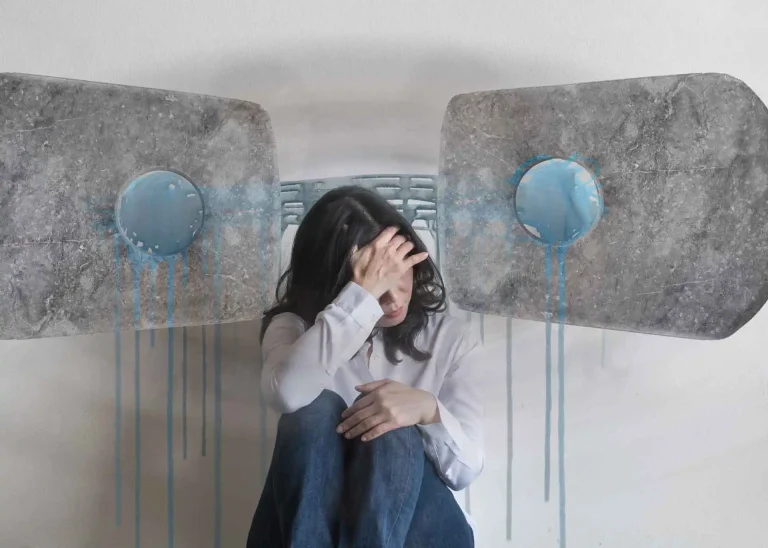
Burnout is typically linked with living in a constantly stressful situation, while depression is linked with genetic, biological, psychological, and environmental factors. Although the signs of depression are somewhat similar to burnout, it is important to differentiate between the two. When symptoms like persistent sadness, loss of interest, or reduced functioning extend beyond a specific stressor, it may indicate depression. Warning signs such as emotional numbness, sleep changes, or difficulty managing daily tasks should be taken seriously by seeking professional mental health support.
What Is Emotional Burnout?
Emotional burnout, or often just burnout, is a state of deep mental, emotional, and physical exhaustion caused by prolonged stress. Burnout doesn’t happen overnight. It builds over time when a person is constantly in overwhelming situations.
Common Triggers
Emotional burnout can occur due to several reasons, including:
- Personal life stressors such as caregiving responsibilities towards children, elderly, or sick family members; relationship conflicts; major life expectations; and trying to meet everyone’s expectations.
- Internal or psychological triggers such as perfectionism, people-pleasing tendencies, difficulty saying no, and high self-criticism.
- Lifestyle factors such as insufficient sleep, lack of time for hobbies or relaxation, and poor work-life balance.
- Environmental or social triggers, such as lack of a support system, feeling lonely, and a high-pressure academic environment.
How It Develops
Emotional burnout develops gradually, more like a slow drain rather than a sudden crash. It is a process where ongoing stress outweighs your ability to recover, over and over again.
People experiencing burnout often hide their struggles. They may say that they are “doing fine,” but deep down, they feel mentally and emotionally exhausted.
What Is Depression?
Depression is a mental health condition that affects how you feel, think, and function over a sustained period of time. A common clinical form is major depressive disorder, where the person goes through persistent low mood or loss of interest, along with other emotional, physical, and mental changes.
How Depression Affects Daily Life
Depression can affect many areas of a person’s daily life, influencing emotional well-being, energy levels, motivation, and overall functioning. Individuals may find it more difficult to manage everyday responsibilities, stay engaged in activities they once enjoyed, or maintain consistent routines. Changes in concentration, sleep patterns, appetite, and social interactions are also common. Over time, these challenges can impact relationships, work or school performance, and overall quality of life.
More Than Low Mood
Depression is much more than just a low mood. It is a condition that affects the body and mind and nearly every aspect of daily life. It requires professional understanding and support rather than just ‘toughing it out.’
Emotional Burnout vs. Depression: Key Differences
Here are the key differences between emotional burnout and depression:
| Aspect | Emotional Burnout | Depression |
| Stress Response vs. Mental Health Condition | It is a stress response. | It is a clinical mental health condition. |
| Situational vs. Pervasive Symptoms | It is mostly situational. | Pervasive across situations and environments. |
| Motivation and Numbness | Reduced motivation and fatigue. | Reduced motivation and fatigue, along with emotional numbness. |
| Relief After Rest | Often improves with rest. | May find temporary relief with rest, but requires mental health assistance. |
Signs of Emotional Burnout
Emotional burnout often builds gradually and shows up as emotional exhaustion, cynicism and detachment, reduced capacity, and physical stress symptoms.
Emotional Exhaustion
Feeling drained most of the time, even after rest, is a key sign of burnout. You may struggle to find energy for daily tasks and feel overwhelmed by responsibilities.
Cynicism and Detachment
Burnout often leads to a negative or detached attitude. You might feel disconnected from your work or relationships, which can lead to frustration or hopelessness.
Reduced Capacity
Your ability to focus, make decisions, or stay productive may decline due to emotional burnout. Tasks that once felt manageable can become difficult and mentally taxing.
Physical Stress Symptoms
Burnout doesn’t just affect the mind; it also shows up in the body. Common physical symptoms include headaches, muscle tension, sleep issues, and frequent fatigue, signaling the need for rest or recovery.
Signs of Depression
While every individual’s experience is unique, some signs can help you identify when a person is struggling with depression.
Persistent Sadness
A constant feeling of sadness or emptiness is one of the most common signs of depression. It may last for weeks or months, affecting daily life and making even simple activities feel overwhelming.
Loss of Interest
People experiencing depression often lose interest in activities they once enjoyed. Hobbies, social interactions, and even personal goals may no longer feel fulfilling, leading to withdrawal over time.
Changes in Sleep and Appetite
An individual suffering from depression also experiences changes in sleep and appetite. Either the person experiences an increase in sleep and appetite, leading to hyperinsomnia and increased cravings. Or, it’s the other way around and leads to insomnia and loss of appetite.
Hopelessness and Guilt
Feeling a mix of hopelessness and guilt during depression is common. These two feelings drain your energy and motivation, telling you that you’re not doing enough or that you’re letting people down.
Thoughts of Self-Harm
Self-harm thoughts are generally a result of feeling hopelessness and guilt. Depression distorts your thinking, and thoughts about self-harm can grow out of a form of punishment for guilt.
Can Burnout Lead to Depression?
Burnout and depression are closely linked, but they are not the same. Burnout typically stems from prolonged stress, while the causes of depression are complex. When left unaddressed, burnout may gradually lead to depression. Emotional exhaustion, detachment, and a sense of helplessness can deepen over time, making it more difficult to recover without support.
How Burnout Escalates
Burnout often begins with chronic stress. Over time, mental fatigue turns into emotional numbness, reduced motivation, and persistent negativity.
When stress becomes constant and coping mechanisms fail, individuals may feel trapped, which increases the risks of developing depressive symptoms.
Shared Risk Factors
Both burnout and depression share common triggers such as high stress levels, lack of support, poor work-life balance, and unresolved emotional strain. Personality traits like perfectionism or high self-expectations can also increase vulnerability to both conditions.
When Symptoms Cross Over
The line between burnout and depression becomes less clear when symptoms start affecting every part of the individual’s life. Persistent sadness, loss of interest in daily activities, sleep disturbances, and low self-worth may indicate that burnout has progressed into depression and requires professional attention.
How to Know When It May Be More Than Burnout
Burnout is usually tied to a specific area, such as work or caregiving. However, when it starts affecting every part of your life, it may be a more serious issue.
Symptoms That Persist
One key sign is persistent symptoms. If exhaustion, low mood, or lack of motivation doesn’t improve with rest or time off, it is important to pay close attention to how that individual is actually feeling. Burnout eases when the stressor is removed, but depression often doesn’t.
Loss of Function
Another major indicator that may be more than burnout is a noticeable loss of functioning in daily life. Burnout can make tasks feel more difficult, but you can still manage responsibilities. When functioning declines significantly, it may point towards depression.
Emotional Numbness
Another sign that the condition is more than just burnout is the nature of the emotions. Burnout may leave you drained and detached, but depression often brings ongoing sadness, hopelessness, or a sense of emptiness. You might lose interest in things you once enjoyed, not just work-related tasks.
Warning Signs to Take Seriously
Some signs go beyond everyday stress or burnout and shouldn’t be ignored. A constant low mood or emotional numbness is one of the clearest signals. Loss of interest in daily activities and significant changes in sleeping patterns and appetite should also be taken seriously.
Feelings of hopelessness, worthlessness, or thoughts of self-harm are clear indicators of depression. Reaching out to a professional mental health expert becomes necessary in these situations.
How Therapy Can Help With Burnout and Depression
Therapy helps with burnout and depression by providing the individual a safe space where they can identify the causes and develop a structured recovery plan.
Clarifying What You’re Experiencing
A therapist will help distinguish between burnout and depression, which often overlap. Gaining clarity about your symptoms, triggers, and emotional patterns makes it easier to understand what you are going through and what kind of support you need.
Building Sustainable Coping Tools
Therapy introduces practical coping strategies tailored to your situation. These may include stress management techniques, boundary setting, and healthier ways to respond to emotional challenges, helping you feel more in control over time.
Addressing Underlying Patterns
Depression and burnout are often linked to underlying patterns such as perfectionism, people-pleasing, or unresolved stress. Therapy helps uncover these patterns and work through the root cause.
Creating a Treatment Plan
Therapy also helps you create a personalized recovery plan. It provides a clear and manageable path towards managing mental illness through an evidence-based approach specifically designed for the individual.
Conclusion
Burnout and depression make the person feel constantly overwhelmed, especially when their symptoms overlap. Recognizing the signs and understanding how they differ are essential for timely support. While burnout may improve with rest, depression often requires deeper intervention. Seeking help through therapy can provide clarity, coping tools, and a structured path to recovery.
Frequently Asked Questions
What is the main difference between burnout and depression?
Burnout is usually caused by prolonged stress in a specific area, like work and often improves with rest and reduced pressure. Depression, however, affects multiple areas of life and involves persistent sadness, low energy, and loss of interest.
Can emotional burnout turn into depression?
Yes, if burnout is left unaddressed, ongoing stress and emotional exhaustion can gradually develop into depression, especially when symptoms begin to affect all areas of life.
How long does burnout last compared to depression?
Burnout can last weeks to months, depending on the level of stress and support available. Depression, on the other hand, doesn’t have a fixed timeline and varies from person to person.
Can you have burnout and depression at the same time?
Yes, one can experience burnout and depression at the same time. Moreover, if burnout is left unaddressed, it can become a significant risk factor for developing depression.
When should I talk to a therapist?
You don’t need to wait for things to become severe to seek help. Talking to a therapist can be helpful anytime you feel overwhelmed, stuck, or unsure about how to cope.