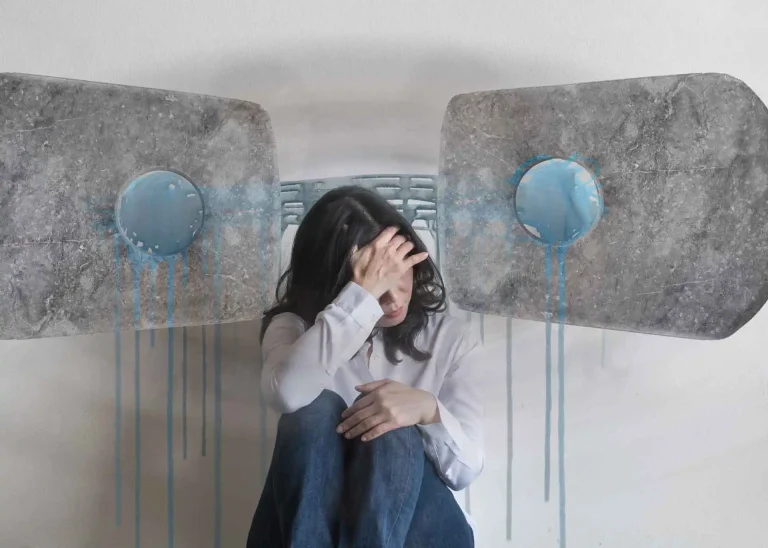
When we talk about climate change, we often focus on rising temperatures, extreme weather, or melting ice caps. But there’s another impact that’s just as real and often overlooked: the toll on our mental health. The sense of uncertainty, fear, and helplessness tied to a changing climate can weigh heavily on individuals and communities. Acknowledging these feelings is not a sign of weakness. It’s a necessary step toward healing and resilience.
As awareness grows, many are turning to mental health services in Chicago and beyond to find support for climate-related stress and anxiety. Understanding how climate instability affects emotional well-being can help us respond with compassion toward ourselves and each other. Let’s explore how these changes touch our minds and hearts and what paths to healing are possible.
How Climate Instability Impacts Mental Health
The emotional effects of climate change are complex. They don’t always follow a straight line, and they don’t affect everyone in the same way. Sometimes the impact is sudden, like the aftermath of a hurricane. Sometimes it’s a slow, simmering anxiety that grows over time. Both are valid, and both deserve care.
Eco-Anxiety and Climate Grief
Eco-anxiety is the chronic fear of environmental doom. It can feel like a knot in your stomach that never quite loosens. On the other hand, climate grief is the sadness and mourning over ecological losses — disappearing forests, dying species, and changing landscapes.
These feelings can create a deep sense of loss, even for people who haven’t personally experienced a natural disaster. Recognizing eco-anxiety and grief as legitimate emotional responses is the first step toward coping with them. Mental health services offer a supportive space to process these feelings with care and understanding.
Trauma from Extreme Weather Events
Hurricanes, wildfires, floods, and droughts don’t just destroy homes; they leave lasting emotional scars. Survivors often deal with symptoms of post-traumatic stress disorder (PTSD), depression, and anxiety long after the event has passed. Even watching news coverage of disasters can create secondary trauma for some.
Access to compassionate mental health support after such events is critical for recovery, both individually and collectively.
Chronic Stress & Uncertainty
Climate change brings a persistent undercurrent of uncertainty. Will my hometown be livable in twenty years? Will my children have clean water? What disasters might come next? This ongoing, low-level stress can chip away at mental resilience over time. Unchecked, it can lead to burnout, emotional exhaustion, and even physical health problems.
The Connection Between Climate Change and Mental Health
Climate change challenges some of the core foundations of human mental wellness, including safety, stability, and hope for the future. When those foundations crack, emotional well-being naturally suffers.
Feelings of helplessness and anger are common, as is a profound sense of existential dread, especially among young people who see a long future filled with uncertainty.
Naming these feelings is powerful in therapy. It shifts the experience from silent suffering to shared humanity and allows others to remind you that you are not alone and that action, connection, and resilience are still possible.
Populations at Higher Risk From Climate Instability
While climate change affects everyone, some groups face a heavier burden when it comes to mental health risks.
Youth and Gen Z
Young people today are growing up in a world where climate instability is a fact of life. Many experience eco-anxiety not as an occasional worry, but as a persistent backdrop to their lives.
This generation often feels a deep sense of responsibility to fix problems they didn’t create, leading to burnout, despair, and feelings of futility. Supportive spaces where their concerns are heard, not dismissed, are essential for their mental wellness.
Indigenous Communities and Rural Populations
Indigenous and rural communities are often deeply connected to the land, both physically and spiritually, and culturally. When that land changes or is harmed, it profoundly impacts identity, community bonds, and mental health.
Access to culturally sensitive mental health care becomes even more important in these contexts, honoring not just individual healing but community healing as well.
Those With Existing Mental Health Conditions
Individuals already living with anxiety, depression, PTSD, or other mental health challenges may find their symptoms worsen under the pressure of climate instability. The added stress, unpredictability, and fear can make daily life feel heavier and harder to manage.
Tailored mental health services can offer both immediate relief and long-term resilience tools.
How Can We Reduce the Risks That Climate Change Presents to Our Mental Health?
While we can’t individually solve the climate crisis, we can build emotional resilience to sail through its challenges. Community support is important, and finding spaces where climate-related fears and grief can be spoken aloud without judgment matters.
Engaging in collective action, even small steps, can also reduce feelings of helplessness. Helping plant a garden, participating in a cleanup, or joining advocacy efforts gives a sense of agency and connection. Therapy can provide grounding on a personal level. Processing eco-anxiety, climate grief, or trauma with a trained mental health professional can lighten the emotional load.
Conclusion
Climate change is not just a threat to our planet; it’s a challenge to our mental well-being. Acknowledging that truth is not giving in to fear—it’s creating space for real healing to begin. If you are dealing with mental health challenges due to climate change, know that your feelings are valid. Your grief, anger, fear, and hope are all part of being human in this time of change.