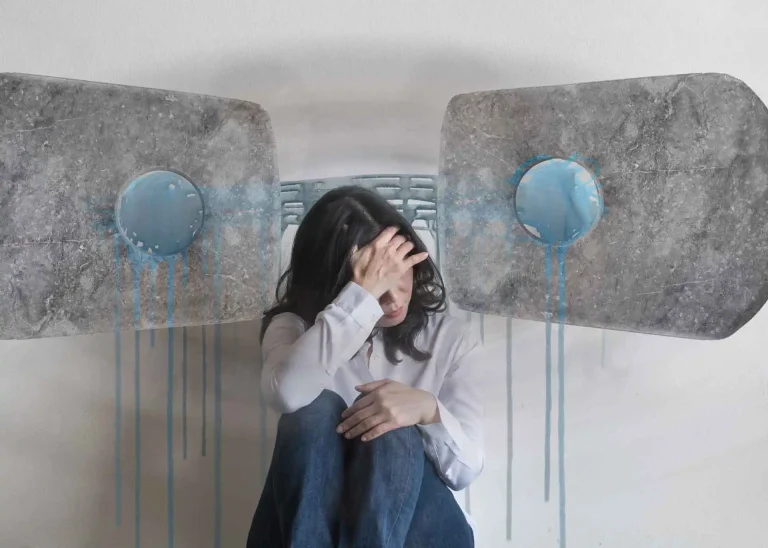
Summary: The seven stages of grief offer a framework for understanding how people respond to loss through shock, denial, anger, bargaining, depression, reconstruction, and acceptance, while explaining how grief progresses, why it is non-linear, and when additional support may help.
Losing someone or something deeply meaningful can trigger a mix of complex emotions that can become difficult for many to identify and explain. Grief doesn’t just change your mood. It affects how a person thinks, feels, processes emotions, behaves, and relates to daily life. Although two people may respond to grief differently, certain emotional patterns can be repetitive. Recognizing these patterns can provide clearer context for understanding what a person may be experiencing, without claiming that grief follows a predictable sequence.
Grief affects more people than many realize. It has transformed into a growing and silent epidemic, especially post-COVID-19, as it has impacted almost every human. Grief statistics reveal how widespread this phenomenon is. Over 2.5-3 million people die in the US annually, and most of them leave people behind who grieve them. An estimated 6 million children will lose a parent or sibling before they are 18 years old, and about 57% of Americans have experienced a major loss in the past three years.
Hence, it shouldn’t come as a surprise that persistent grief or complicated grief occurs in about 7–10% of bereaved adults because their sadness or distress does not end even after several months of a loss. It also does not help that while grief is clearly a universal experience, many people continue to suffer in silence without understanding what is happening, what to expect, or what to do to get help.
If you are among them and need guidance to understand grief, here is your comprehensive guide outlining the seven stages of grief, how they affect your mental health, seeking grief counseling, and more. Let us get into it.
What Are the 7 Stages of Grief?
Many people describe grief coming in waves; likewise, the process has seven stages. They are outlined below to help you understand your feelings and clarify which stage you may be in.
Stage 1: Shock
Experiencing unbearable pain often translates into shock as an immediate reaction to loss. The first stage of grief causes intense emotional reactions and symptoms. Many people, upon learning about a loss, react with numb disbelief as a way to disconnect from reality. You may feel like everything is foggy or time has slowed down, as your brain tries to protect you during and after overwhelming news.
Stage 2: Denial
Once the shock wears off, you also experience denial, which is another way your brain tries to reject painful reality. This second stage of grief is usually a coping mechanism. During denial, people commonly expect to hear from the loved one as if nothing had happened. Denying the loss is a natural reaction that serves as a temporary shield, helping you come to terms with it.
Stage 3: Anger
After denial lessens, you may feel angry at the circumstances, at other people, or even yourself. According to the Yale Bereavement Study, anger peaks around five months after loss on average. During this stage, try to control your emotions and find ways to regulate to avoid hurting others who may also be hurting or damaging relationships.
Stage 4: Bargaining
Besides feeling angry, it is common to “bargain”. Bargaining often involves feeling guilty and contemplating what-if scenarios. It is an attempt by most people to restore a sense of control. You can also feel the need to release bottled-up emotions during this stage.
Stage 5: Depression
This stage is one of the most challenging aspects of grief. Being depressed after a major loss is a widespread emotional state, and it can last for a long time. About 30% of bereaved respondents in an extensive US survey met the criteria for major depressive disorder after a loss. Experts include depressive symptoms with anxiety in Prolonged Grief Disorder (PGD).
Stage 6: Testing or Reconstruction
In the testing or reconstruction stage, an individual learns to rebuild their life after loss. This may involve returning to abandoned activities, changing routines, reconnecting with others, and rediscovering moments of joy. However, this stage is mostly about tests and trials. An attempt that worked today might not work tomorrow. Even if progress feels uneven, each attempt can help an individual discover what truly helps them.
Stage 7: Acceptance and Hope
Acceptance is a gradual process that unfolds over time. It does not mean the sadness goes away. However, most people eventually come to terms with what happened, and life continues to move forward. The stage of acceptance and hope is about being able to move forward with your life. For some people, memories start bringing comfort rather than pain, making them hopeful.
| Stage | What someone may experience |
| Shock | Numbness, disbelief, confusion, or emotional detachment |
| Denial | Refusing to accept the reality of the loss or an overwhelming flow of painful emotions |
| Anger | Frustration, resentment, hopelessness, or irritability |
| Bargaining | Dwelling on “what if” thoughts and “if only” scenarios or attempting to negotiate or make deals to change circumstances |
| Depression | Deep sadness, withdrawal, exhaustion, low energy, hopelessness, or loss of interest |
| Testing or Reconstruction | Experimenting with new coping methods, changing routines, reconnecting with friends and family, figuring out how to live, and rebuilding life |
| Acceptance and Hope | Acknowledging and making peace with reality, finding meaning, and looking ahead |
Are the 7 Stages of Grief Scientifically Proven?
No, the seven stages of grief are not scientifically proven as a fixed sequence. Elisabeth Kübler-Ross introduced the five-stage model in 1969 based on her observations of terminally ill patients, not people who were grieving the loss of their loved ones. Later interpretations expanded the original five-stage model into seven phases, adding shock and testing or reconstruction.
Years of academic research and empirical studies show that grief is highly subjective and non-linear. Longitudinal research, including George Bonanno’s study, suggests that grieving individuals can move between emotions, skip stages, revisit earlier responses, or experience multiple feelings simultaneously. His findings also highlight two important points: resilience is a common response to loss, and the absence of intense grief can be a normal part of grieving.
5 Stages vs. 7 Stages of Grief: What’s the Difference?
Elisabeth Kübler-Ross created the 5 stages of grief model based on her clinical observations of dying patients coping with their own deaths. It wasn’t based on bereaved individuals experiencing the loss of their loved ones. This model focuses on core emotional reactions, such as denial, anger, bargaining, depression, and acceptance.
Seven-stage models build on this framework, though the stages vary by version. Some include shock, testing, or reconstruction to describe other aspects of grieving. These models can help people recognize their responses to loss, but they are not a fixed sequence or timeline. Each person’s grief unfolds differently.
Grief Is Not Linear: You May Move Between Stages
Grief is not a sequence you complete from one stage to the next; it is a continuous process. People may skip stages, feel multiple emotions, or even return to earlier ones. A person might feel calm in the morning, sadness and guilt later, and anger by the end of the day.
Grief may also arrive in waves. A song, place, anniversary, or unexpected memory can trigger it. Intense emotions can also resurface months or even years after the loss. This does not necessarily mean the healing process didn’t work. Triggers and waves are a normal part of human emotions.
Most importantly, everyone processes the loss of their loved ones differently, depending on their circumstances, relationship, support, and personal history. This is what makes grief deeply individual and changeable.
What Does Grief Feel Like?
While everyone’s journey is unique, research shows clear patterns in how grief shapes thoughts, moods, and behaviors. Understanding these impacts can help normalize the experience and highlight when support is needed.
Emotional Toll of Grief
A national survey in the United States found that nearly 60% of adults reported grief significantly disrupted their emotional well-being within the first year of loss. The emotional weight of grief is often the most visible. People commonly experience a range of emotions, including sadness, anger, guilt, or even relief, depending on the circumstances surrounding the loss. These feelings may rise and fall over time, but unresolved grief can lead to more persistent mood disorders.
Cognitive Changes and Mental Strain
Grief can influence thinking patterns, causing difficulty concentrating, memory lapses, or mental fog. Bereaved individuals often have higher rates of sleep disturbance and impaired attention, especially during the first few months, because the brain is processing trauma-like stress.
Grief can also mimic post-traumatic stress symptoms, where intrusive thoughts and persistent rumination take up significant mental energy. These cognitive shifts usually ease with time, but when they persist, they may signal the need for professional help.
Impact on Daily Functioning and Motivation
The strain of grief often spills into daily life. Motivation to work, maintain routines, or engage socially can decline. A U.S. workplace study estimated that grief costs businesses over $75 billion annually in lost productivity, absenteeism, and errors. On an individual level, people may find simple tasks exhausting or meaningless.
While this dip in functioning is normal in the short term, prolonged withdrawal can worsen isolation and delay recovery. Recognizing these patterns early and gradually rebuilding routines can help mitigate the long-term impact.
Understanding the Grief Process & How Long Does Grieving Last?
People experiencing grief do not move through the stages in a set order. It is common to revisit earlier feelings, such as denial or anger, even after reaching acceptance. It is also important to note:
The average grieving period varies widely.
Some people may begin to experience reduced intensity of grief symptoms within a few months. However, some may feel intense grief for several years, depending on the nature of the loss.
Multiple factors influence the recovery duration.
Losing a spouse, child, or parent often results in longer grieving periods. Sudden, unexpected deaths can prolong the process compared to anticipated losses. Strong support networks, professional grief counseling, and healthy coping strategies can ease the duration.
You may suffer from Prolonged Grief Disorder (PGD).
About 7% to 10% of bereaved adults develop PGD, where grief remains intense for over 12 months and disrupts daily functioning. Symptoms can include persistent yearning, difficulty accepting the loss, and emotional numbness. If grief continues to feel overwhelming after a year or worsens over time, professional support is often necessary.
Connection Between Grief and Anxiety or Depression
| Aspect | Grief | Depression | Anxiety |
| Core Experience | Natural emotional response to loss | Persistent sadness, hopelessness, loss of interest | Persistent worry, fear, restlessness |
| Typical Duration | Intense symptoms often ease within 6–12 months | Lasts at least 2 weeks and can persist for months or years | It can occur short-term or become chronic if untreated |
| Common Symptoms | Sadness, anger, guilt, yearning, emotional numbness | Fatigue, loss of pleasure, changes in appetite/sleep, feelings of worthlessness | Racing thoughts, tension, irritability, difficulty concentrating, panic attacks |
| Overlap With Grief | Normal stage in healing | Can emerge if grief remains unresolved or prolonged | Often triggered by uncertainty or fear after a loss |
| Prevalence After Loss | Nearly universal to some degree | 30% of bereaved adults experience major depressive disorder in the first year | A significant number experience heightened worry or panic, especially after a sudden loss |
| When to Seek Help | If grief does not ease over time or disrupts functioning | If sadness or hopelessness persists beyond the normal grieving period | If anxiety interferes with sleep, work, or daily life |
How to Cope With Grief
Grief is a deeply personal feeling, and everyone has their own way of dealing with it. There is no single approach that works for everyone. However, taking the following actions may help.
Building Healthy Daily Routines for Stability
- To regain control of your life, keep a regular sleep routine.
- Do not skip meals. Try to eat a balanced diet and stay hydrated.
- Start working out if possible. Go on walks or do light physical activity.
- Set small and achievable goals to get back on track with your routine.
Finding Strength Through Supportive Connections
- Do not isolate. Share your feelings with family members and friends.
- See if you can find a grief support group locally or online.
- Let others help with practical needs (meals, childcare, etc.) or emotional support.
Practicing Mindfulness and Emotional Expression
- Try mindful exercises like deep breathing, meditation, or journaling to process your emotions privately.
- If you don’t feel like talking about your loss, use creative outlets like pottery, painting, crafts, music, etc.
- Let yourself cry or feel your emotions. Suppressing grief delays healing.
Creating Meaning and Purpose After Loss
Losing someone is painful, and it does not have to be the end of your happiness. You can find solace by honoring the memories of the departed. Connect with their legacy if they volunteered or contributed to any cause.
Recover by exploring new hobbies or gaining skills that bring fulfillment and promote growth. Aim to become a more resilient version of yourself.
When to Seek Professional Help: Signs of Complicated Grief
Although millions of people experience grief in some form or another, most feel isolated and often think they do not need help. However, seeking support from professionals, besides confiding in near and dear ones, can prevent issues like the complicated grief of Prolonged Grief Disorder.
Persistent Intense Sadness That Doesn’t Ease Over Time
One of the first signs of prolonged or unresolved grief is persistent, intense sadness with pain that remains unbearable even after months. With professional grief counseling, you can uncover deeper issues like depression, anxiety, etc.
Difficulty Resuming Daily Life and Responsibilities
Seek therapy if you cannot return to work, manage household chores, or socialize. Temporary withdrawal is natural, but not when it turns into an inability to cope with daily life.
Avoidance of Reminders or Overwhelming Preoccupation with the Loss
Coming to terms with the loss of a loved one is important to adjust to life after them. Seek guided therapy to restore balance.
Physical, Emotional, or Social Struggles That Worsen Instead of Improve
Get professional help if you keep experiencing grief symptoms like lingering lethargy, sleep issues, appetite changes, or dissociation.
Conclusion
Grief is a universal yet deeply personal journey. Understanding its stages, mental health impact, and coping strategies helps bring clarity during painful times. Healing takes patience and support. With compassion, resilience, and professional help, it is possible to move forward while honoring the memory of loved ones.
Frequently Asked Questions
What are the different types of grief?
Grief is a multifaceted emotional response that can take several forms.
- Anticipatory grief: Mourning for a loss before it happens
- Disenfranchised grief: Grieving for a loss that society does not openly accept
- Complicated or prolonged grief: Intense, long-lasting grief that affects daily life
- Ambiguous loss: Grieving for a person who is physically absent or physically present but psychologically gone
- Traumatic grief: Experiencing intense grief and trauma at the same time
- Cumulative grief: Mourning for multiple losses in an overlapping timeframe
- Absent grief: Showing no outward signs of distress
- Collective grief: A shared emotional response after a serious tragedy
What are the stages of grief?
The seven stages of grief are shock, denial, anger, bargaining, depression, testing, and acceptance with hope. They may not occur in order and can overlap.
What are some common symptoms of grief?
Sadness, fatigue, sleep changes, loss of appetite, difficulty concentrating, anger, and feelings of emptiness. These experiences are natural, though their intensity varies by person.
How can I cope with grief after losing a loved one?
Coping involves maintaining healthy routines, seeking social support, practicing mindfulness, and finding meaning. Talking with trusted people or joining support groups can ease the burden and encourage healing.
Can grief cause physical symptoms?
Yes. Grief may lead to headaches, stomach problems, chest pain, fatigue, and weakened immunity. Stress hormones can affect the body, making physical care important during grieving.
How long does the grieving process typically last?
Grief often softens within six to twelve months, but duration varies. Some adjust sooner, while others may take years. Persistent, intense grief may require professional help.
Are there support groups for people dealing with grief?
Yes. Many in-person and online support groups provide safe spaces for sharing experiences, learning coping skills, and finding comfort from others who have experienced loss.
Is it normal to go through the seven stages of grief in order?
No, the seven stages of grief are not fixed in order. People may skip stages, feel several emotions at once, revisit earlier stages, or move back and forth. More importantly, grief can change over time. Certain emotions can return unexpectedly after months or even years and still be a normal part of adapting to loss.
If you or a loved one is experiencing symptoms of grief, Depth Counseling can help. Find a therapist here to schedule an appointment.