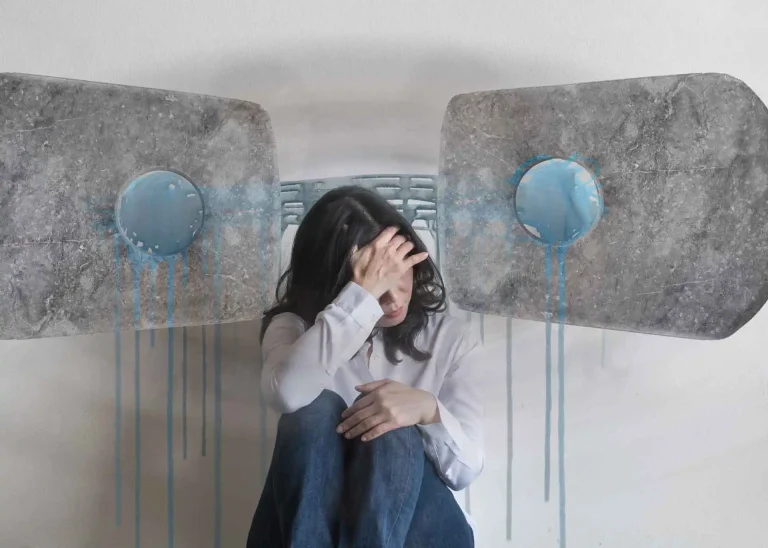
Depression rarely screams its presence. It’s usually quiet, creeps in slowly, and can disturb our emotional and physical well-being even before we realize it. Most men typically tend to stay strong and push through pain without saying much. However, feelings can remain buried under responsibilities, work, and the pressure of staying in control. This is why depression in men tends to go unnoticed.
Even if a man doesn’t appear sad on the surface, there can be minor shifts in their behavior or attitude that slowly build over time until these changes start affecting their work, relationships, social life, and confidence. It is therefore important to be able to identify these subtle yet visible signs of depression in men to prevent the issues from snowballing and affecting their overall well-being.
Understanding Depression
Depression is more than feeling simply low, disinterested, or dismayed. It is something that can slowly and gradually affect thoughts, emotions, and the body. Also, the symptoms and effects of depression aren’t the same for everyone. For some, it may lead to a loss of interest in activities they once enjoyed or a lack of motivation at work. For others, it may cause disturbed sleep, irritability, lack of focus, loss of appetite, and other symptoms.
Furthermore, the cause of depression isn’t the same for everyone. For some, it may stem from a single event, while for others, it may be a culmination of multiple factors. The effects can be varied, too, and many men may not even realize that they are depressed.
Common Causes of Depression in Men
Depression can develop from a combination of influences rather than one cause. Stress, physical health, emotional experiences, and major life changes all play a part. All these pressures can seem overwhelming if one tries to handle them alone. Understanding the common causes can help men realize that they are not alone and that it is okay to seek support.
Biological Factors
Biology can significantly impact your mood. Genetics, hormone changes, and brain chemistry can all influence the way you respond to stress or emotional strain. Certain medical conditions, such as chronic pain or other distressing ailments, have also been found to lead people to depression.
When the body is under pressure, whether physical or mental, whether due to external circumstances or internal developments, it becomes harder to maintain emotional balance, so depression is not a sign that you are failing to cope. Probably, your body needs more care and attention for things to get back on track.
Psychological Factors
Emotional experiences impact overall well-being. Stress, trauma, loss, or unresolved feelings can quietly build inside. Many men believe that problems should not be discussed openly but instead resolved internally. However, nurturing worries or holding stress inside can start affecting your well-being from within. Over time, this weight of overwhelming emotions can lead to exhaustion, withdrawal, or hopelessness. Sharing feelings and discussing problems with close friends or family can help mitigate issues or help realize that seeking professional help is probably the best way forward.
Social Factors
Life situations can also significantly impact mental health. Work pressure, financial strain, relationship stress, or changes such as divorce or retirement can all affect emotional stability. All these situations can overwhelm people emotionally to the point that they hesitate to seek help. When stress continues, whether due to loneliness, lack of connections, or no relief, it can slowly escalate into depression. Seeking help during such pressures and engaging in open communication can prevent men from getting stuck in a loop.
15 Common Signs of Depression in Men
The signs of depression in men may not appear as mere sadness. It often shows up through changes in behavior, energy, or the way they interact with others. They are usually easy to overlook and commonly glossed over as work stress or tiredness. However, identifying them early can make a real difference. Here are the fifteen common signs of depression in men that you should be aware of:
1. Persistent Irritability or Anger
Some men might start feeling irritated by even the smallest things. Anger may appear more quickly than usual and may seem difficult to deal with. This can be confusing to the person showing anger and those around them, as the reaction and the gravity of the situation may not align.
However, irritability often masks deeper emotions that are difficult to express. Also, when anger begins to affect relationships or daily interactions, it may signal something more serious underlying it.
2. Loss of Interest in Hobbies or Work
Activities that once felt enjoyable may no longer bring happiness or satisfaction. Hobbies, work, or spending time with friends or family activities may seem tiring or boring. This can lead to a lack of focus at work or disengagement from activities, which in turn can push the person further away from their goals and from important people in their life. Professional relationships at work can deteriorate, and bonding with friends and family may be negatively affected as well.
3. Fatigue and Low Energy
Depression can drain energy both mentally and physically. Even simple activities like getting out of bed, doing the regular chores, and going to work might seem more challenging than ever. This feeling of low energy can further affect personal and professional life.
Rest may not bring relief, and sleep may not be as restful as it once was. This deep tiredness can further affect productivity, motivation, and confidence. When exhaustion becomes a constant state, it may indicate emotional strain rather than laziness or a lack of willpower.
4. Changes in Sleep Patterns
Sleep may change in noticeable ways. Some people may lie awake for hours, while others might have disturbed sleep, feeling restless throughout the night. It might also happen that some people start sleeping more than usual to escape from difficult thoughts and emotions. However, both poor sleep and oversleep can intensify emotional struggles and reduce concentration and patience. If you notice that your sleep patterns have begun to change, leading to increased anxiousness and stress, it could be a glaring sign of depression.
5. Difficulty Concentrating
Staying focused at work and even otherwise may feel harder than ever. Some men may start losing track of conversations and get lost in thoughts or dejection while working or even while engaged in an activity they otherwise enjoy. Deciding on anything might also seem confusing or stressful. This mental fog can further lead to frustration and self-criticism. These are all classic symptoms of depression; seeking timely professional help can prevent the situation from worsening.
6. Physical Aches Without Clear Cause
The symptoms of depression are not just mental or intangible, as perceived by most people. Depression may also manifest itself in the form of physical aches such as headaches, stomach discomfort, muscle tension, or general pain without a medical explanation. These symptoms can be confusing and exhausting. If you have had some medical tests done, and they show nothing alarming, but you still are facing the discomfort, perhaps your body is trying to signal you emotional overload.
7. Increased Alcohol or Substance Use
Some men turn to alcohol or substances to cope with stress, numb feelings, or escape painful thoughts. It may just start as a way to unwind and escape any ongoing stress, worries, or painful thoughts. But at some point, it may get more frequent to the point where it becomes an addiction. If such tendencies have begun to emerge, it is better to be alert about where you are heading. Alcohol and substances just numb you temporarily, but don’t root out the problems; rather, they worsen the situation.
8. Withdrawal From Family and Friends
When depression sets in, it becomes difficult to be around people, even if they are friends and family. The conversations might seem uninteresting, and the pressure to say the right things and behave “normally” might feel too much. Slowly, the person begins avoiding conversations, calls, and gatherings, withdrawing into a cocoon. It is because the person may feel more comfortable being quiet rather than being vulnerable and expressing their difficult feelings to others. This further leads to loneliness and even aggravates anxiety-related issues.
9. Feeling Hopeless or Worthless
Depression can alter the way one perceives oneself and the future. They may feel stuck or convinced that things won’t improve, no matter how hard you try. Thoughts like “What’s the point?” or “I’m failing” may become frequent. Feelings of worthlessness and hopelessness can make them overlook their accomplishments and abilities, clouding their judgment and preventing them from acting rationally or fulfilling their ambitions. This hollowness can further stop them from utilizing their true potential and push them into deeper states of depression if it isn’t addressed on time.
10. Changes in Appetite or Weight
As mentioned earlier, depression can affect the body as much as it affects the mind. Apart from the physical aches, another common way in which depression can impact the body is appetite. For some men, it could lead to a complete loss of interest in eating, and for others, to overeating and even gluttony. This, in turn, will lead to sudden shifts in weight and even appearance. These symptoms are easy to overlook, but they could imply the body’s response to emotional strain.
11. Reckless or Risky Behavior
Sometimes, emotional pain manifests through actions rather than words. For instance, a person might just start driving too fast, spend impulsively, or seek adrenaline-filled experiences to forget about the anxiety-causing factors and get over emotional pain. Reckless behavior can lead to a feeling of numbness, temporarily making the person forget what’s bothering them. However, this attitude can augment the emotional damage and also compromise your physical well-being and safety.
12. Trouble Meeting Responsibilities
Depression can make even ordinary tasks feel difficult. Work deadlines may slip, bills might go unpaid, or home responsibilities may pile up. Even if the person who has been doing all of it like a pro all this while suddenly starts feeling overwhelmed at the thought of these tasks. Small decisions can lead to confusion, and not being able to make them, even when they are trivial, might lead to frustration. This isn’t about laziness or insufficiency. Depression affects energy, focus, and motivation.
13. Increased Sensitivity to Criticism
Depression may make the world seem to be harsher, heavier, and sharper. Comments or conversations that once felt neutral or unrelated may suddenly feel very personal or painful. A simple comment or feedback at work might hurt a person’s self-worth, or a casual, reckless joke by a friend might hit their ego badly. The person may appear defensive or withdrawn, but this isn’t deliberate. It’s just depression showing up in this particular way!
14. Emotional Numbness
Some people with depression don’t feel intense sadness. Instead, they feel nothing. Joy, excitement, and motivation may disappear. Life can feel muted, and they may just carry on mechanically with their routine, neither overwhelmed nor overjoyed. This is a protective response to emotional overload. You may not notice it immediately, but if someone used to be effervescent and joyful, you should certainly start questioning their sudden change in demeanor.
15. Thoughts of Death or Suicide
Depression can give rise to thoughts about escaping pain or disappearing. It may sound like “I can’t do this anymore” or “Everyone would be better without me.” These thoughts don’t always mean someone wants to die; they also mean that the person is desperately seeking relief. However, if someone around you expresses these feelings, or you notice such behavior yourself, take it seriously. Reach out to someone in your family or friends, or seek professional help at once. No one should face these thoughts alone, and support can save a life.
Quick Comparison Table of Depression Signs in Men
Signs of depression in men aren’t the same for every individual. For many, symptoms are more evident through actions and physical changes than through visible sadness. The table below highlights patterns that may help someone recognize what’s happening, either in themselves or someone they care about. This is not a diagnostic tool but a way to start noticing what might otherwise go unnoticed and to encourage supportive conversations.
| Emotional Signs | Physical Signs | Behavioral Signs |
| Feeling empty or hopeless | Constant tiredness | Withdrawing from others |
| Irritability or anger | Changes in sleep or appetite | Drinking more or substance use |
| Feeling overwhelmed | Headaches or pain without cause | Risky or impulsive actions |
| Losing interest in activities | Low energy | Trouble meeting responsibilities |
The presence of most of these signs over time may suggest depression. If you notice any of these, whether in yourself or someone close to you, professional help must be sought.
How Depth Counseling Can Help a Man with Depression
Depression can make you feel alone and overburdened, despite being surrounded by people who love you and care for you. Depth Counseling offers professional therapy in a safe space where you can explore your feelings and situations without fear of judgment. There’s a lot of difference between talking about your problems to your loved one and a therapist. Our competent therapists can help you express yourself without any inhibitions and identify the root cause of your problems. Furthermore, you will learn some effective ways to not just deal with your current situation but also handle such issues in the future with confidence.
Healing takes time, but change begins with one step. So, feel free to contact us today. Reaching out is a sign of strength!
Conclusion
Depression in men is often overlooked because it rarely appears the way people expect. It can manifest itself in silence, tiredness, irritability, or distance. Recognizing these signs early on can help reduce struggle and pave the way for support and recovery. So, if you see yourself or someone around you showing these obvious signs of depression in men, do not ignore them. Contact Depth Counseling at the earliest to get back to living your life confidently, to the fullest!
Frequently Asked Questions (FAQs)
How is depression in men different from women?
Depression in men can manifest in the form of irritability, anger, and other physical symptoms. In women, it may manifest as visible sadness, such as crying.
How can fatigue indicate male depression?
Fatigue that feels constant, heavy, and disconnected from physical exertion can be a sign of emotional strain. It can indicate male depression when the person feels tired despite taking a good amount of rest, or the daily tasks seem overwhelming despite being trivial.
How can you talk to a man who may be depressed?
In order to talk to a man who may be depressed, approach him gently without any pressure. Also, be a good listener instead of trying to bombard him with “obvious” solutions.
Can exercise help with depression in men?
Regular exercise can help regulate mood and reduce stress. However, it is not a replacement for professional therapy or treatment for signs of depression in men.
When should a man see a counselor for depression?
One should see a counselor for depression when symptoms start disrupting daily life, relationships, or work, or when there are thoughts of self-harm. Support makes recovery possible.