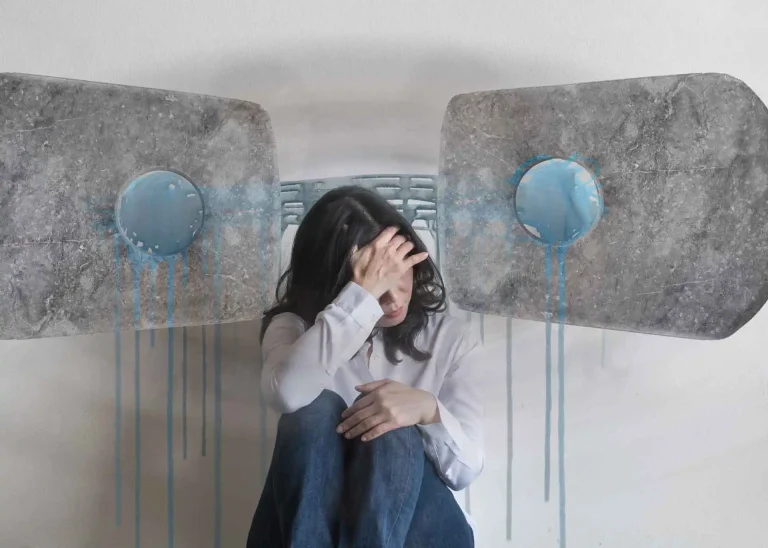
Anxiety is a natural stress reaction. It keeps us alert in trying circumstances. However, anxiety disorders go beyond occasional worry or stress. Anxiety disorder is characterized by persistent, overwhelming fear or nervousness that interferes with day-to-day functioning. In many individuals, it is manifested in various ways, like phobias, panic attacks, social anxiety, etc. Physical symptoms include a racing heartbeat, fatigue, tension, and others. This can also lead to irritability.
Anxiety disorders can affect individuals of all ages; however, children, women, and members of the LGBTQIA+ community are more susceptible to this. This can have negative effects on one’s relationships, work, and general well-being. The good news is that anxiety disorders are manageable with the right assistance and care. Early diagnosis and assistance can help individuals get relief, build resilience, and lead a more balanced life.
Having the right knowledge is also helpful when dealing with anxiety disorders. Therefore, in this article, we will share types of anxiety disorders, their causes and risk, what treatment options one can explore, and where to find a certified anxiety therapist in Chicago.
11 Types of Anxiety Disorders (DSM-5)
Here are 11 types of anxiety disorders:
Generalized Anxiety Disorder (GAD)
GAD is marked by persistent and excessive worry about common issues like relationships, work, and health. Individuals experiencing this often feel fatigued, suffer from tense muscles, restlessness, and have trouble falling asleep.
Panic Disorder
Panic disorder leads to sudden episodes of extreme fear. This also results in physical symptoms like dizziness, tightness in the chest, or a racing heart. Some people experience anxiety about the potential timing of their next attack. This hinders their day-to-day activities, too.
Social Anxiety Disorder (Social Phobia)
Individuals facing this have a severe fear of social rejection or embarrassment. This leads to them isolating themselves. It becomes challenging for them to attend social events, work, or school.
Specific Phobias
In this, individuals have extreme and irrational fears of specific things, such as flying, needles, or animals. Experiencing this could be overwhelming, even though there isn’t much actual danger present.
Agoraphobia
Agoraphobia is the fear of situations where help may not be available or escape may feel difficult. This leads to many individuals avoiding crowds, public places, public transport, or they might even face difficulty leaving their homes.
Separation Anxiety Disorder
This disorder is commonly manifested in children, but it can also affect adults. This includes excessive concern for the safety of loved ones and severe distress when separated from them.
Selective Mutism
Selective mutism is a condition where a child can speak but remains quiet in specific situations, such as school. In this case, anxiety is the cause of the silence, not a language disorder.
Substance/Medication-Induced Anxiety Disorder
This arises when anxiety or panic is the direct result of substance use, withdrawal, or certain medications. This typically goes away once the substance is stopped.
Anxiety Disorder Due to Another Medical Condition
In this case, the anxiety results directly from a certain existing medical condition in an individual, like neurological disorders or thyroid diseases.
Other Specific Anxiety Disorder
Other specific anxiety disorders are those that cause severe distress but fall short of the DSM-5 criteria for a particular disorder. In this, individuals can still experience panic attacks and a few other symptoms.
Unspecified Anxiety Disorder
Some conditions are marked as unspecified anxiety disorder when a thorough assessment is not feasible, in an emergency or transitional situation. The anxiety symptoms interfere with normal functioning but do not fall into a specific DSM-5 category.
How Common Are Anxiety Disorders?
Anxiety disorders are among the most prevalent mental health conditions in the world, and people of all ages and backgrounds are affected by them. Many people first notice symptoms in childhood or adolescence, but it can also appear later in life for many. Anxiety disorders manifest differently in different people. For some, symptoms might be mild and controllable, while others can experience overwhelming symptoms that might make performing day-to-day tasks difficult for them. Anxiety disorders can be caused by various reasons, such as environment, life experiences, etc. Women, children, and members of the LGBTQIA+ community are more susceptible to this.
The prevalence of anxiety disorders underlines the importance of awareness, early detection, and accessible professional care. These disorders are not rare; therefore, it is essential to have the right knowledge about them, so that timely help and care can be provided to those who need it.
Causes and Risk Factors
Genetic Factors:
Some individuals may be more vulnerable to anxiety disorders due to their family history of anxiety or related disorders. They may be susceptible to anxious feelings due to inherited traits that influence how their brain reacts to stress.
Environmental Factors:
Unstable or dangerous surroundings can contribute immensely to anxiety patterns. Stressful events, trauma, processing loss, or any ongoing conflict can play a major role in causing anxiety disorders.
Psychological Factors:
Personality traits, like a tendency to avoid conflict, high sensitivity, or perfectionism, may contribute to anxiety. Attachment issues or unresolved internal trauma and conflict can also lead to persistent anxiety.
Demographic Variations:
Social structures and cultural norms play a significant role in making a person more vulnerable to anxiety disorders. Although all demographics are impacted by anxiety disorders, women and members of the LGBTQIA+ community are affected by them more frequently. The symptoms start manifesting in adolescence or early childhood.
Comorbidities:
Anxiety disorders may be accompanied by physical illnesses, substance use disorders, or depression. These overlaps can make the diagnosis and treatment more difficult, but it is important to identify them to provide effective and comprehensive care.
Treatment Options For Anxiety Disorders
Psychotherapy:
Psychotherapy is usually the first line of treatment for anxiety disorders. This approach helps individuals to identify and reframe anxious thought patterns. Also known as psychodynamic therapy, it helps individuals focus on deeper emotional causes of anxiety, such as unresolved inner conflicts or strained relational experiences. People can gain a deeper understanding, strengthen their coping mechanisms, and increase their resilience by working with a therapist in a secure and supportive environment.
Medications:
Medication is another way to manage anxiety disorders, especially if symptoms are severe or ongoing. Many healthcare professionals often prescribe antidepressants such as SSRIs and SNRIs. These control brain chemicals related to mood and stress. In some cases, healthcare providers also advise short-term beta-blockers or anti-anxiety medications. Medication works best when paired with therapy. This way, an individual can experience both short-term relief and long-term change through psychological treatment.
Diagnosis and Self-Help for Anxiety Disorders
A thorough clinical evaluation from a trusted healthcare provider is usually the first step in diagnosing an anxiety disorder. For the evaluation, mental health professionals rely on structured interviews or detailed questionnaires. They begin by reviewing symptoms, medical history, and how anxiety impacts daily functioning. Since anxiety can also manifest in physical ways, a medical examination might be part of the overall evaluation process.
Self-help techniques can be very helpful as they may reduce symptoms and increase resilience when paired with professional care. Techniques like mindful breathing, consistent sleep, and regular exercise can help individuals manage stress better. Similarly, journaling, reduced intake of alcohol, and caffeine can help with managing anxiety. Individuals who reach out to their friends and family members also experience solace and gain a perspective that builds resilience.
Self-help resources can provide respite, but they cannot substitute expert advice that addresses underlying issues and customizes care for each patient.
Know When To See a Doctor
Excessive Worry Impacts Life
Feeling some tension or worry occasionally is normal. However, if the worry becomes so overwhelming that it disrupts daily routines, relationships, or employment, then it is important to consult a mental health professional.
Uncontrollable Fear or Anxiety
Even in safe environments, if an individual’s fear becomes overwhelming or uncontrollable, then it is a sign that they should seek professional help. This indicates that anxiety has progressed beyond normal stress.
Co-occurring Mental Health Issues
If depression, substance abuse, or other mental health issues are recurring along with anxiety, then it becomes imperative to consult a professional. Addressing these symptoms is important to keep them from getting worse.
Anxiety Linked to Health
In some cases, anxiety is linked to medical disorders like heart issues or thyroid problems. A healthcare provider can help you identify whether the anxiety symptoms are due to psychological, medical, or both causes.
Suicidal Thoughts or Behaviors
It is crucial to address any self-harming or suicidal thoughts right away. An urgent step toward safety is to call the emergency services, crisis helpline, or mental health provider at the earliest.
Contact Depth Counseling for Anxiety Disorders Solutions
Managing anxiety can be overwhelming, but nobody should have to navigate it alone. At Depth Counseling, you can find a compassionate anxiety therapist in Chicago. We also offer counseling services via safe online sessions across Illinois. Our certified therapists provide confidential support in a secure and accepting environment to individuals of all ages, particularly to members of the LGBTQIA+ community. Individuals can seek help to address anxiety, depression, relationship problems, and more.
We accept in-network insurance plans like Aetna Better Health of Illinois, Blue Cross Blue Shield PPO, and Blue Cross Community Health Plans. Out-of-network coverage might also be applicable for other providers, with possible service reimbursement.
Conclusion
Anxiety disorders are a prevalent component of mental health, and they affect individuals across age groups. These disorders arise when tensions, worry, or fear become chronic and affect one’s relationship, career, or general well-being. However, managing these symptoms and living a balanced life is possible.
The first step to recovery is acknowledging that these experiences are real and treatable. These symptoms can be managed through a mix of strategies, like talk therapy, medicine, lifestyle changes, and reliable support systems. Self-care practices may further strengthen resilience.
It is possible to keep anxiety from getting worse by seeking professional help as soon as possible. Identify when symptoms become overwhelming and reach out to professional service providers, such as Depth Counseling. With the right knowledge and help, individuals can regain equilibrium, self-assurance, and a more satisfying life.
Frequently Asked Questions
What is the reason for anxiety disorder, and who is at risk?
Various reasons, like life events, heredity, and past traumas, can lead to anxiety disorders. Although anyone can be affected by it, individuals who have a family history of mental illnesses, have experienced trauma, or are living in a disturbing environment are more vulnerable.
How can I prevent developing an anxiety disorder?
Even though prevention isn’t always possible, various efforts and techniques can reduce the likelihood of anxiety becoming incapacitating. Healthy behaviors like consistent exercise, stress reduction, and getting professional help can help.
Do I have anxiety, or am I just feeling anxious?
Feeling anxious sometimes is normal. However, if persistent worry becomes so overwhelming that it interferes with your overall health and daily activities, then it can be a sign of anxiety disorder.
How can anxiety disorders be treated?
Symptoms of anxiety disorders are manageable with the right approach. Therapy, medication, and lifestyle changes can be parts of the treatment that can help you achieve a balanced life.
How can anxiety disorders affect our mental and physical health?
Untreated anxiety disorders can lead to depression, sleep issues, and more. It can also contribute to worsened fatigue, headaches, heart problems, and weakened immunity.